Bank of America
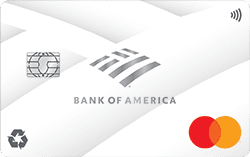
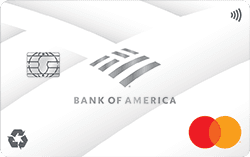
BankAmericard® Secured Credit Card
Key Features
| Annual Fee | $0.00 |
| Sign-up Bonus | No signup bonus offered |
| Rewards Rate | No rewards program offered |
| Intro APR | None |
| Regular APR | 26.24% variable |
| Other Fees | Balance Transfer Fee 5% of each transaction |
About this card
The BankAmericard® Secured Credit Card receives an overall rating of 2.1, placing it in the 'Fair' category. This card is primarily designed for individuals looking to establish or rebuild their credit, and its key strength is the absence of an annual fee. It successfully serves the basic function of reporting to credit bureaus, which is essential for credit building, and offers the security of being issued by a major financial institution like Bank of America. However, the card is significantly hampered by several major drawbacks. Its regular APR of 26.24% variable is exceptionally high, even for a secured card targeting those with poor credit, making it very expensive to carry a balance. A more critical weakness is the complete lack of any rewards program or sign-up bonus, which puts it at a disadvantage compared to many competitor secured cards that offer some form of cash back with a $0 annual fee. Furthermore, reputation analysis highlights widespread user frustration regarding the unclear and often difficult path to graduating to an unsecured card and retrieving the security deposit, which diminishes its long-term value proposition. While the $0 annual fee is a significant pro, the card's value is substantially eroded by the high APR, the absence of any rewards, and the problematic graduation process. It fulfills the basic need for credit building without an annual fee but offers little else to differentiate itself in a competitive market where better alternatives exist.
Pros & Cons
What's great
- No annual fee
- Good for building credit
- Potential to graduate to unsecured card
- Fraud protection
Things to consider
- No intro APR period
- High regular APR
- No rewards
- No sign-up bonus
- High balance transfer fee
- Requires a security deposit
What this card offers
Other features
- Looks and works like any other credit card
- A secured credit card designed to help establish, strengthen or rebuild credit
- A minimum security deposit of $200 (maximum of $5,000) is required to open this account.
- Your maximum credit limit will be determined by the amount of the security deposit you provide, your income and your ability to pay the credit line established.
- Access to credit education on topics like using credit cards responsibly, budgeting and more
- We'll periodically review your account and, based on your overall credit history (including your account and overall relationship with us, and other credit cards and loans), you may qualify to have your security deposit returned. Not all customers will qualify.
- We block potential fraud if abnormal patterns are detected and let you know if we suspect fraudulent activity. Plus, you always get a $0 Liability Guarantee for fraudulent transactions.
- An optional service to help prevent declined purchases, returned checks or other overdrafts when you link your eligible Bank of America® checking account to your credit card. No transfer fees. Other fees may apply.
- Opt for paperless credit card statements and increase account security while reducing paper consumption.
- Discover more ways to pay by adding your Bank of America® credit card to your mobile device then shop in-store or in-app using Apple Pay®, Google Pay™ or Samsung Pay.
- Access to our award-winning Online and Mobile Banking. Bank on the go from almost anywhere quickly and securely. Pay your credit card bill online, transfer funds, check available credit and more.
- Stay on top of your balances and due dates. Choose from several types of customer email or text alerts and let your phone tell you when payments are due and paid.
Additional Notes
Secured card products are not eligible for a new account bonus offer, like a statement credit, and introductory APRs are not available. Note: minimum payments are applied to lower-interest balances first. Additional payments are applied to higher-interest balances first.