Best Business Credit Cards
The best business credit cards help entrepreneurs and small business owners earn rewards on company spending, manage employee expenses, and access valuable perks like travel protections, reporting tools, and flexible financing. Whether you want cash back, points, or a big sign-up bonus, a great business card can help you save and grow your business.
Our Picks
Ink Business Cash Credit Card
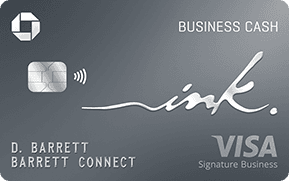
| Annual Fee | $0 |
| Rewards Rate | 1%-5% cash back |
| Sign Up Bonus | $750 cash back |
Venture Business

| Annual Fee | $95 |
| Rewards Rate | 5X travel, 2X miles purchases |
| Sign Up Bonus | 100,000 bonus miles |
Ink Business Preferred® Credit Card
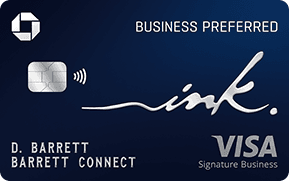
| Annual Fee | $95 |
| Rewards Rate | 1x-5x Points |
| Sign Up Bonus | 100,000 bonus points |
IHG One Rewards Premier Business Credit Card

| Annual Fee | $99 |
| Rewards Rate | Up to 26X Points |
| Sign Up Bonus | 150,000 Bonus Points |
| Network | Mastercard |
Delta SkyMiles Platinum Business Card
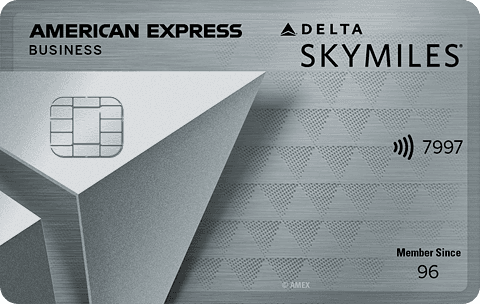
| Annual Fee | $350 |
| Rewards Rate | 1x-3x Miles |
| Sign Up Bonus | 100,000 Bonus Miles |
| Network | American Express |
Wyndham Rewards Earner® Business Card

| Annual Fee | $149 |
| Rewards Rate | 1x-8x Points |
| Sign Up Bonus | Up to 100,000 bonus points |
| Network | Visa |

Signify Business Cash®
| Annual Fee | $0 |
| Rewards Rate | 2% cash rewards |
| Sign Up Bonus | $500 cash rewards bonus |
| Network | Mastercard |
Ink Business Unlimited® Credit Card
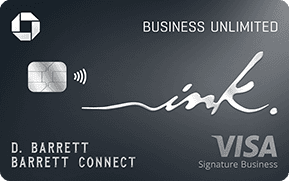
| Annual Fee | $0 |
| Rewards Rate | 1.5% Cash Back |
| Sign Up Bonus | Earn $750 cash back |
Southwest Rapid Rewards® Performance Business Credit Card
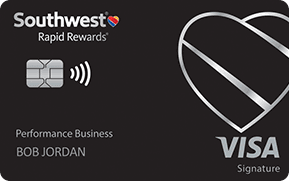
| Annual Fee | $299 |
| Rewards Rate | 1x-4x points |
| Sign Up Bonus | Earn 80,000 points |
Resources
How to Choose the Right Business Credit Card
Finding the right business credit card is a crucial step in managing your company's finances. More than just a payment tool, the best card helps you separate personal and business expenses, simplifies your accounting, and rewards you for spending. When comparing your options, the decision typically boils down to three key areas: annual fees, rewards programs, and expense management tools.
Weighing Annual Fees Against Rewards
A card's annual fee should be weighed against the value of its perks and rewards. While a no-annual-fee card is a great, straightforward choice, cards with an annual fee often provide superior benefits that can easily offset the cost. For example, a higher fee might unlock a generous sign-up bonus, airport lounge access, or a higher rewards rate in your top spending categories. The key is to align the card's benefits with your company's actual spending patterns. If you spend heavily on digital advertising or shipping, a card that rewards those specific categories will deliver far more value than a general travel card.
Matching Rewards to Your Spending
Business credit card rewards programs are designed to fit different types of businesses. To choose the best one, analyze where your money goes each month.
- Flat-Rate Cash Back: These cards offer simplicity, providing a consistent percentage (e.g., 2%) back on every purchase. They are ideal for businesses with varied spending that doesn't fall into typical bonus categories.
- Bonus Category Rewards: These cards offer accelerated rewards on specific categories like office supplies, internet services, or dining. They are perfect for maximizing returns if your spending is concentrated in a few key areas.
- Travel Rewards: If you or your employees travel frequently, a card earning points or miles can help cover the cost of future flights and hotel stays.
Tools for Simplified Expense Management
Beyond rewards, business credit cards offer powerful tools that can save you time and provide greater financial control. Look for features like free employee cards with customizable spending limits, which make it easy to track team expenses. Many cards also offer seamless integration with accounting software like QuickBooks and Xero, automatically categorizing your transactions and simplifying bookkeeping. These built-in management features are invaluable for maintaining accurate records and preparing for tax season.
Business vs. Personal Credit Cards: Which Is Right?
At a glance, a business credit card and a personal credit card look nearly identical, but they are designed for very different purposes and operate under different rules. Choosing the right one is crucial for managing your finances effectively, whether you're a salaried employee, a freelancer, or a small business owner. The primary distinction lies in their intended use: personal cards are for household and individual expenses, while business cards are meant exclusively for business-related purchases.
Keeping your business and personal finances separate is a cornerstone of good accounting, and using the right card is the easiest way to do it. This separation simplifies bookkeeping, tax preparation, and tracking your company's financial health. Furthermore, how these cards impact your credit history differs significantly. Personal cards report all activity to consumer credit bureaus (like Experian, Equifax, and TransUnion), directly affecting your personal credit score. While some business cards report to personal credit bureaus, many only report to business credit bureaus unless you default on the debt.
Key Differences at a Glance
| Feature | Personal Credit Card | Business Credit Card |
|---|---|---|
| Primary Use | Personal, family, or household expenses | Business and operational expenses |
| Credit Reporting | Reports to personal credit bureaus | Primarily reports to business credit bureaus (but defaults may hit personal credit) |
| Liability | The individual cardholder is solely responsible | The business is liable, but usually requires a personal guarantee from the owner |
| Rewards | Geared toward consumer spending (e.g., groceries, gas, dining) | Geared toward business spending (e.g., office supplies, travel, shipping) |
| Legal Protections | Protected by the CARD Act of 2009, which limits fees and rate hikes | Fewer consumer protections; not covered by the CARD Act |
Ultimately, the right card depends on your spending. If you have any business expenses, even as a sole proprietor or gig worker, a business credit card is an invaluable tool for organization and building business credit. For all your other non-work-related spending, a personal credit card is the appropriate choice.
Do I Need an EIN for a Business Credit Card?
A common question among freelancers, consultants, and sole proprietors is whether they need an Employer Identification Number (EIN) to apply for a business credit card. The short answer is no, not always. Many card issuers allow you to apply for a business credit card using your Social Security Number (SSN) if you operate as a sole proprietorship.
Applying with an SSN vs. an EIN
When you fill out a business credit card application as a sole proprietor, you are the business. Card issuers understand this and will use your SSN to run a personal credit check. Your personal credit score and history will be the primary factors in their approval decision. You'll typically list your own name as the business name and provide your personal income as the business revenue if your business is new.
However, if your business is structured as a corporation, partnership, or LLC, you will almost certainly need an EIN to apply. Here's a quick breakdown:
- Sole Proprietor/Freelancer: You can typically use your SSN.
- LLC, Corporation, or Partnership: You will need to use your business's EIN.
Even if it's not required, getting an EIN from the IRS (which is free and easy to do online) is a smart move. Using an EIN on applications helps to formally separate your personal and business finances. This separation is crucial for liability protection, tax purposes, and building a distinct credit history for your business, which can help you secure larger loans or better credit terms in the future.
Best Business Credit Cards for Startups
Getting a business credit card is a crucial first step for any startup. It helps you separate business and personal expenses, build a business credit history, and manage cash flow. However, many new businesses with limited operating history find it challenging to get approved. The good news is that some cards are specifically designed to meet the needs of emerging companies.
When choosing a card, startups should prioritize features that support growth without adding unnecessary costs. Look for cards with no annual fee and flexible approval requirements. Some modern fintech cards, like the Brex Card, don't even require a personal credit check or guarantee, instead basing their decision on your company's cash balance and funding. This can be a game-changer for founders who want to protect their personal credit.
Comparing Top Cards for New Businesses
Your best option will depend on your startup's current financial situation and your personal credit history. A founder with a strong personal credit score might opt for a card with great rewards, while a new business with fair credit might need a card focused on building credit.
| Feature | Ideal For | Example Card |
|---|---|---|
| No Personal Guarantee | Well-funded startups with a high cash balance. | Brex Card |
| Accessible with Fair Credit | New businesses focused on building a credit profile. | Capital One Spark Classic for Business |
| Strong Flat-Rate Rewards | Founders with good personal credit who want simple rewards. | The Blue Business® Plus from Amex |
Ultimately, the right business credit card provides the purchasing power you need today while helping you build the credit foundation for tomorrow. By using your card responsibly and paying your bills on time, you'll establish a strong financial history that can help you secure better financing terms as your business scales.
Maximize Your Business Credit Card Rewards
Your business spends money every day on essentials like digital advertising, shipping, and office supplies. But are those expenses just costs, or are they opportunities? By strategically using the right business credit card, you can transform necessary spending into a valuable stream of rewards, whether it's cash back to boost your bottom line, points for business travel, or statement credits.
The key is to align your credit card's rewards structure with your company's spending patterns. Many business cards offer accelerated rewards in specific categories. If a significant portion of your budget goes toward online advertising with search engines or social media platforms, a card that offers 3x or 4x points in that category will deliver far more value than a generic flat-rate card. Similarly, businesses that spend heavily on shipping services or office supplies should seek out cards that specifically bonus those purchases.
Choosing a Card Based on Your Spending
To see how this works, consider where your business spends the most money. A card's value isn't just its welcome offer, but its long-term earning potential. Here’s a simple breakdown of how to match a card to your business type:
| Business Priority | Ideal Card Type | Potential Bonus Categories |
|---|---|---|
| Digital Marketing | Tech & Ads Focused Card | 4x points on advertising, software, internet |
| Shipping & Logistics | Operations Focused Card | 3x points on shipping, office supplies, gas |
| Varied Expenses | Flat-Rate Rewards Card | 2% cash back or 2x miles on all purchases |
Before you apply for a new card, take a few minutes to review your last quarter's expenses. Identify your top two or three spending categories and find a card that rewards you generously for them. This simple step ensures that every dollar you spend on your business is also working to earn something back for you.
Control Business Spending with Employee Cards
Managing employee expenses can be a major headache for any business owner. From collecting stacks of receipts to manually reimbursing staff, the process is often time-consuming and prone to errors. Employee credit cards offer a powerful solution, providing a streamlined way to empower your team while maintaining complete control over company spending. By issuing cards with preset limits, you can simplify expense reporting and protect your business from unauthorized purchases, all from a single account.
With employee cards, you're always in the driver's seat. You can issue a unique card to each team member and set custom spending limits tailored to their role and responsibilities. For example, you might give a higher limit to a sales manager who travels frequently and a lower one to an administrative assistant for office supplies. All transactions made on these cards are itemized and appear on your primary business account statement, giving you a clear, consolidated view of where your money is going without needing to sift through individual expense reports.
The benefits of using employee cards extend beyond simple tracking. Here’s how they can transform your expense management:
- Set Custom Spending Limits: Assign different spending caps for each employee to prevent overspending.
- Simplify Expense Reporting: Eliminate the need for reimbursements and manual receipt tracking, as all purchases are automatically recorded.
- Enhance Security: Protect your main business account number and reduce the risk of fraud.
- Earn More Rewards: Pool all the rewards earned from employee purchases into your central business account, accelerating your ability to earn cash back, miles, or points.
By leveraging employee cards, you can give your team the autonomy they need to do their jobs effectively while ensuring every dollar is accounted for. It's a smart, efficient way to manage business expenses, reduce administrative work, and keep your company's finances secure and organized.
Our Methodology
How we pick the best business credit cards
To identify the top business credit cards, our editorial team conducts a comprehensive, data-driven analysis of the features that deliver the most value to business owners. We place the greatest emphasis on a card's long-term earning potential, primarily evaluating its ongoing rewards rate on common business expenses. Nearly as important is the initial value provided by the sign-up bonus. We also carefully consider the card issuer's reputation for reliability and customer service. Finally, we factor in key costs like annual fees and interest rates, as well as other business-friendly benefits that enhance a card's overall utility.
Our goal is to provide clear, objective recommendations that help business owners find the right financial tools for their company. The ratings and rankings you see are the result of this rigorous evaluation process. While we may receive compensation from card issuers when you apply through our links, this does not influence our editorial analysis, reviews, or the order in which cards appear on our site.