Best Low Interest Credit Cards
Low interest credit cards are ideal for people who tend to carry a balance and want to minimize finance charges. These cards typically offer below-average APRs and may also include 0% intro APR offers. If you’re looking to save money on interest while paying off purchases over time, a low interest card can provide predictable and affordable payments.
Our Picks
USAA Rate Advantage Visa® Platinum Credit Card
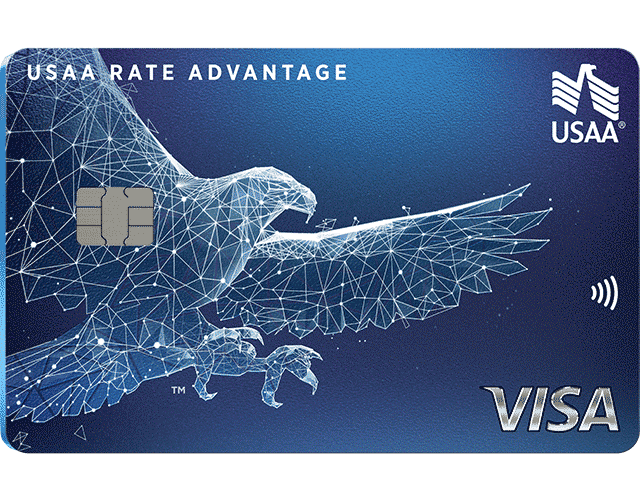
| Annual Fee | $0 |
| Rewards Rate | No rewards program offered. |
| Sign Up Bonus | No signup bonus offered. |
| Network | Visa |
Bilt Blue Card

| Annual Fee | $0 |
| Rewards Rate | 1x-4x Points |
| Sign Up Bonus | $100 Bilt Cash |
| Network | Mastercard |
Resources
Low Interest vs. 0% APR: Which Card Is Best?
When you need to finance a purchase or manage existing debt, choosing between a low-interest card and a 0% introductory APR card can be tricky. A 0% intro APR card provides a promotional window, typically 12 to 21 months, where you pay no interest on purchases or balance transfers. A low-interest card, on the other hand, offers a consistently lower-than-average interest rate for the life of the card, but it's never zero. The best choice hinges on your financial goals and how you plan to manage your balance.
The Case for 0% Intro APR Cards
A 0% intro APR card is a powerful tool for a specific, short-term financial goal. It's the perfect choice if you have a clear plan to pay off your balance before the promotional period expires. Consider this card if you're:
- Making a large, planned purchase: Need a new laptop or furniture? A 0% APR allows you to pay it off over time without any interest charges eating into your payments.
- Consolidating high-interest debt: Transferring balances from high-APR cards can save you hundreds or even thousands in interest, allowing you to pay down the principal much faster.
Remember, the key is discipline. Once the introductory period ends, the interest rate will jump to a much higher standard variable APR. Always aim to clear your balance before that happens.
Why Choose a Low-Interest Card?
A low-interest credit card is designed for the long haul. It's the better option if you anticipate that you might carry a balance from month to month beyond a promotional period. This card acts as a reliable financial safety net, providing peace of mind that if you need to carry debt, it will be at a manageable rate. It's ideal for those with fluctuating incomes or as a go-to card for unexpected expenses, as the cost of borrowing remains predictable and more affordable than on a standard rewards or 0% APR card after its promo ends.
How a Low-Interest Card Can Help You Pay Off Debt
High-interest credit card debt can feel like a treadmill you can't get off. Each month, interest charges eat away at your payments, making it difficult to reduce your principal balance. A low-interest credit card, particularly one with a 0% introductory Annual Percentage Rate (APR) on balance transfers, offers a powerful tool to break this cycle. By consolidating your high-interest balances onto one card, you can halt interest accrual for a set period, allowing every dollar of your payment to go directly toward paying down your debt.
The Balance Transfer Strategy
The core of this strategy is the balance transfer. Here’s how it works:
- Find the Right Card: Look for a card with a long 0% introductory APR period (typically 12 to 21 months) for balance transfers.
- Check the Fee: Most cards charge a one-time balance transfer fee, usually 3% to 5% of the amount you transfer. While this adds to your cost, the savings on interest often far outweigh this fee. For example, a 3% fee on a $5,000 balance is $150, which is likely much less than the interest you'd pay over a year on a high-APR card.
- Transfer Your Balances: During the application process, you'll provide the account numbers and amounts for the debts you want to move to the new card.
Create Your Repayment Plan
A 0% APR period is a temporary window of opportunity, not a permanent fix. To succeed, you must have a disciplined plan to pay off the debt before the promotional period ends and the regular, much higher, interest rate kicks in. Start by dividing your total transferred balance by the number of months in the introductory period. This calculation gives you the minimum amount you must pay each month to become debt-free before interest starts accumulating again. For example, to pay off a $5,000 balance in 18 months, you'd need to pay approximately $278 per month.
Avoid making new purchases on your balance transfer card. New spending might not be covered by the 0% APR and can distract you from your primary goal of eliminating the transferred debt. By focusing solely on repayment, you can leverage the interest-free period to make significant progress and achieve your financial goals faster.
What Is a Good Credit Card APR?
Finding a 'good' interest rate on a credit card can feel like hitting a moving target. The Annual Percentage Rate (APR) you're offered depends on several factors, including the U.S. prime rate set by the Federal Reserve, the type of credit card, and most importantly, your personal creditworthiness. While the lowest advertised rates are tempting, they are typically reserved for applicants with the strongest credit profiles.
To understand what qualifies as a good rate, it helps to know the national average. According to the latest Federal Reserve data, the average APR across all credit card accounts is approximately 21.59%. For accounts that consistently carry a balance from one month to the next, that average is even higher at 22.75%. This means if you can secure an ongoing APR below 20%, you are getting a more competitive rate than a significant portion of cardholders.
Average Credit Card APR by Credit Score
Your credit score is the most critical factor lenders consider. A higher score signals lower risk, which translates to a lower interest rate. Here’s a breakdown of how average APRs vary across different credit score tiers:
| Credit Score Range | Credit Tier | Average APR |
|---|---|---|
| 720-850 | Excellent | ~18.14% |
| 690-719 | Good | ~23.85% |
| 630-689 | Fair | ~27.75% |
| 300-629 | Poor/Limited | ~28.60% |
As the data shows, achieving an excellent credit score (720 or above) is key to unlocking the best rates, potentially saving you hundreds or thousands of dollars in interest if you carry a balance. If your score isn't there yet, focus on making on-time payments and keeping your credit utilization low to improve your chances of qualifying for a better rate in the future.
Low Interest Cards: What's the Catch?
A low interest rate can be incredibly appealing, especially if you anticipate carrying a balance on your credit card. It promises lower monthly interest charges and can make paying down debt more manageable. While a low APR is a powerful feature, it's rarely offered without a trade-off. Financial institutions often balance a low rate by cutting back in other areas, meaning these cards aren't the best fit for everyone.
So, what are you giving up in exchange for that lower interest rate? Understanding the common trade-offs is key to making a smart decision.
Common Downsides of Low APR Cards
- Minimal or No Rewards: This is the most significant trade-off. Cards with the lowest ongoing APRs typically do not offer cash back, points, or miles on your purchases. The bank's profit from interest is smaller, leaving no room to fund a rewards program.
- Higher Annual Fees: While not always the case, some low-interest cards may come with an annual fee to help offset the lower interest income for the issuer.
- Shorter 0% Intro Periods: A card might have a great ongoing APR but a less competitive 0% introductory offer for purchases or balance transfers compared to rewards-focused cards.
- Fewer Perks: Premium benefits like travel insurance, purchase protection, extended warranties, and airport lounge access are almost never found on basic low-interest cards.
Ultimately, the right choice depends on your financial habits. If you consistently carry a balance, the money you save on interest with a low APR card will almost certainly outweigh the value of any rewards you might earn. However, if you are someone who pays your bill in full every month, you should prioritize a rewards card, as you won't be paying interest anyway. Always do the math to see which card type offers the most value for your specific situation.
Can You Negotiate a Lower Credit Card APR?
Did you know the interest rate on your credit card isn't always set in stone? Many people don't realize they can often negotiate a lower Annual Percentage Rate (APR) with a simple phone call. Credit card issuers want to keep good customers, and if you have a solid history with them, they may be willing to lower your rate to prevent you from switching to a competitor. A lower APR can save you a significant amount of money in interest charges, especially if you carry a balance from month to month.
Success often comes down to preparation. Before you pick up the phone, take a few minutes to build your case.
Before You Call
- Review Your History: Know how long you've been a loyal customer and emphasize your excellent payment history. If you've never missed a payment, be sure to mention it.
- Check Your Credit Score: A higher credit score makes you a more attractive customer and gives you more negotiating power.
- Research Competitor Offers: Look up balance transfer cards or other cards you might qualify for that offer a lower APR. Mentioning a specific competitor's offer shows you're serious about finding a better rate.
Sample Phone Script
When you call, ask to speak with the retention department, as they are often authorized to offer the best deals. Be polite, but firm and clear about your goal.
"Hello, my name is [Your Name] and I've been a customer for [Number] years. I'm calling because I'm looking to lower the interest rate on my account. I've always paid on time and have been a loyal customer. I've recently received several offers from other credit card companies with much lower interest rates, including one for [Competitor's APR]. I would prefer to keep my business with you, so I'm hoping you can offer me a more competitive, permanent rate on my account."
If the agent can't offer a permanent reduction, don't give up. Ask if they can provide a temporary promotional APR for 6-12 months or waive your annual fee as an alternative. Even a temporary reduction can lead to substantial savings and is always worth the short phone call to ask.
Is Carrying a Balance on a Low Interest Card Wise?
A low-interest credit card can feel like a safety net, making it tempting to let a balance roll over. After all, if you have to carry debt, shouldn't it be at the lowest possible rate? While this logic seems sound, carrying any balance means you're paying interest, which can negate the value you get from rewards and add unnecessary costs to your purchases.
Even a 'low' Annual Percentage Rate (APR) adds up. Carrying a balance increases your credit utilization ratio—the percentage of your available credit that you're using. Lenders prefer to see a low ratio (ideally below 30%), so a consistent balance can negatively impact your credit score, even if you're making payments on time. The goal should always be to pay your statement balance in full each month to avoid interest entirely.
When It Might Be an Option vs. The Ideal
| Scenario | Why It's Considered | The Better Alternative |
|---|---|---|
| Carrying a Balance | To manage a large, unexpected expense or a planned purchase you can't pay off immediately. The low APR makes it cheaper than a high-interest card. | An emergency fund. If that's not available, creating a strict budget to pay off the balance as quickly as possible. |
| Paying in Full | You want to avoid all interest charges, maintain a low credit utilization ratio, and build a strong credit history. | This is the ideal financial habit. There is no better alternative for managing credit card debt. |
While a low-interest card is a better option for carrying debt than a high-interest one, the most financially savvy approach is to avoid carrying a balance altogether. Think of it as a tool for short-term financing in an emergency, not a solution for long-term spending. By paying your balance in full, you ensure that your credit card works for you, not the other way around.
Our Methodology
How we pick the best low-interest credit cards
To identify the best low-interest credit cards, our editorial team conducts a comprehensive analysis focused on the features that provide the most value for consumers looking to minimize borrowing costs. The most critical factor in our evaluation is a card's Annual Percentage Rate (APR). We give the highest weight to cards offering long 0% introductory APR periods for both purchases and balance transfers, as well as a competitive ongoing interest rate after the promotional period ends. Other significant factors include a card’s fee structure—especially annual fees and balance transfer fees—and the overall value it provides. While we do consider elements like rewards and sign-up bonuses, they carry far less weight in this category, as our primary goal is to spotlight cards that excel at saving you money on interest.
Our final ratings are the result of this objective, data-driven process, designed to help you confidently choose a card for financing a large purchase or consolidating debt. Please note that while our site may receive compensation from card issuers, this partnership does not influence our analysis, reviews, or card rankings. Our editorial independence is paramount to ensuring our recommendations remain trustworthy and unbiased.