Best Cash Back Credit Cards
Cash back credit cards are a smart choice for people who want straightforward rewards. Whether you spend most on groceries, gas, dining, or just want a flat-rate card for everything, there’s a great option for you. The best cards offer strong everyday value, often with no annual fee and flexible redemption options.
Our Picks
Discover it Cash Back Credit Card

| Annual Fee | $0 |
| Rewards Rate | 5% rotating, 1% cash back. |
| Sign Up Bonus | Unlimited dollar-for-dollar cash back match. |
| Network | Discover |
Discover it Student Cash Back

| Annual Fee | $0 |
| Rewards Rate | 1%-5% Cash Back |
| Sign Up Bonus | Unlimited dollar-for-dollar cash back match |
| Network | Discover |
NHL® Discover it Credit Card

| Annual Fee | $0 |
| Rewards Rate | 5% and 1% cash back |
| Sign Up Bonus | Unlimited dollar-for-dollar cash back match |
| Network | Discover |
Ink Business Cash Credit Card
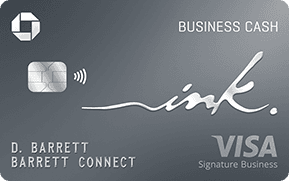
| Annual Fee | $0 |
| Rewards Rate | 1%-5% cash back |
| Sign Up Bonus | $750 cash back |
Chase Freedom Unlimited Credit Card
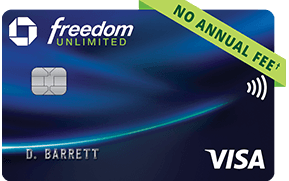
| Annual Fee | $0 |
| Rewards Rate | 1.5%-5% Cash Back |
| Sign Up Bonus | $200 bonus |
Discover it Student Chrome
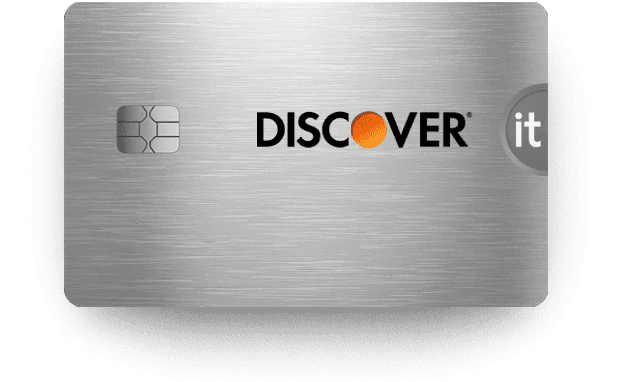
| Annual Fee | $0 |
| Rewards Rate | 2% cash back gas/restaurants, 1% everything |
| Sign Up Bonus | Unlimited dollar-for-dollar cash back match |
| Network | Discover |
Bank of America Customized Cash Rewards Credit Card
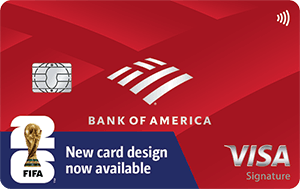
| Annual Fee | $0 |
| Rewards Rate | 1%-6% Cash Back |
| Sign Up Bonus | $200 cash rewards bonus |
Chase Freedom Flex® Credit Card

| Annual Fee | $0 |
| Rewards Rate | 1-5% Cash Back, Travel |
| Sign Up Bonus | $250 bonus |
Eagle Adapt Credit Card

| Annual Fee | $0 |
| Rewards Rate | 1%-3% Cash Back |
| Sign Up Bonus | Earn $200 reward bonus |
| Network | Visa |
Discover it Secured Cash Back

| Annual Fee | $0 |
| Rewards Rate | 5% and 1% cash back. |
| Sign Up Bonus | Unlimited dollar-for-dollar cash back match. |
| Network | Discover |
Resources
How Do Cash Back Credit Cards Work?
Cash back credit cards offer a straightforward way to get rewarded for your everyday spending. Think of it as a small rebate on every purchase you make with your card. When you swipe, tap, or click to buy something, the credit card issuer gives you back a percentage of that transaction amount as a cash reward. This is one of the simplest and most popular types of credit card rewards because the value is easy to understand—a dollar earned is a dollar you can use.
Types of Cash Back Cards
Not all cash back cards are the same. They typically fall into one of three categories, each designed for different spending habits:
- Flat-Rate Cards: These are the simplest to use. You earn the same percentage back on every single purchase, regardless of the category. A common rate is 1.5% or 2% on everything.
- Tiered or Bonus Category Cards: These cards offer a higher cash back rate (often 3% to 5%) on specific spending categories like groceries, gas, dining, or travel, and a lower base rate (usually 1%) on all other purchases.
- Rotating Category Cards: With these cards, the bonus categories that earn a high cash back rate change periodically, usually every quarter. You often need to 'activate' or enroll in the new categories each quarter to earn the higher rewards.
Redeeming Your Rewards
Once you've accumulated some cash back, you have several options to redeem it. The most common methods include receiving a statement credit that reduces your card balance, a direct deposit into your bank account, or a physical check mailed to you. Some issuers also allow you to redeem your rewards for gift cards or travel through their portal, sometimes at a higher value.
To make the most of a cash back card, it's crucial to pay your balance in full each month. The interest charges you'd incur by carrying a balance would quickly wipe out any rewards you earn. The best strategy is to choose a card that aligns with your spending patterns and treat it as a payment tool, not a loan.
Flat-Rate vs. Bonus Category Cash Back Cards
When choosing a cash back credit card, you'll encounter two primary structures: flat-rate and bonus category. Flat-rate cards are straightforward, offering a single, consistent percentage back on every purchase you make, typically between 1.5% and 2%. Bonus category cards are more dynamic, providing a higher cash back rate (often 3% to 5%) on specific types of spending, like groceries, dining, or gas, while offering a standard 1% on all other purchases. The best choice for you depends entirely on your spending habits and how actively you want to manage your rewards.
Which Card Fits Your Lifestyle?
Your budget is the best guide. If your spending is spread evenly across many different areas or you value simplicity above all else, a flat-rate card is an excellent choice. You'll never have to worry about activating categories or remembering which card to use for which purchase; you simply earn a solid, predictable rate on everything.
Conversely, if a large portion of your monthly expenses falls into specific categories, a bonus category card can significantly accelerate your earnings. A family that spends a lot on groceries or a commuter who fills up their gas tank frequently can rack up rewards much faster with a card that rewards that specific spending. Just be prepared to track the categories, which can sometimes rotate quarterly and require activation.
Comparing Your Options at a Glance
| Feature | Flat-Rate Rewards Card | Bonus Category Rewards Card |
|---|---|---|
| Earning Structure | Same percentage on all purchases | High percentage on specific categories, 1% elsewhere |
| Best For | Simplicity and diversified spenders | Maximizing rewards in high-spend areas |
| Potential Downside | May earn less than a focused spender | Requires tracking categories; lower 1% base rate |
For the ultimate rewards enthusiast, a popular strategy is to use both types of cards. Use the bonus category card for its high-value spending areas and a flat-rate card for all other purchases. This two-card approach ensures you are maximizing the cash back on every single dollar you spend.
How to Maximize Your Cash Back Rewards
Cash back credit cards are a fantastic way to get rewarded for your everyday spending, but are you earning as much as you could be? Simply swiping your card isn't enough; having a clear strategy can significantly boost your rewards. By understanding your card's features and aligning them with your spending habits, you can turn regular purchases into a substantial return.
Choose the Right Card for Your Spending Style
The first step to maximizing rewards is picking the right tool for the job. Cash back cards generally fall into two camps: flat-rate and bonus category. A flat-rate card offers a simple, consistent percentage (like 1.5% or 2%) on every single purchase. A bonus category card offers a much higher rate (often 5%) in specific categories that may rotate quarterly, such as groceries, gas, or dining.
| Card Type | Best For | Key Strategy |
|---|---|---|
| Flat-Rate | Simplicity and consistent spending. | Use it for every purchase to guarantee a solid return with minimal effort. |
| Bonus Category | Maximizing rewards in specific, high-spend areas. | Align your spending with the high-earning categories each quarter. |
Pro Tips for Boosting Your Cash Back
Once you have the right card (or a combination of cards), use these strategies to get the most out of it:
- Activate Quarterly Bonuses: This is crucial for rotating category cards. Issuers require you to 'opt-in' to the new categories each quarter. Set a calendar reminder so you don't miss out on those 5% rewards.
- Use a Multi-Card Strategy: Don't be afraid to pair cards. Use your bonus category card for its high-value purchases and a flat-rate card for everything else. This ensures you're always earning more than the standard 1%.
- Check for Card-Linked Offers: Many credit card issuers have online portals or apps with special offers. You can often get an extra 5-15% cash back at specific retailers just by activating the offer before you shop.
- Always Pay Your Balance in Full: The most important rule of all. The interest charged on a carried balance will quickly wipe out any cash back you've earned. To make your rewards count, never spend more than you can pay off each month.
Cash Back vs. Travel Points: Which Is Better?
Choosing between a cash back and a travel rewards credit card is a common dilemma for consumers. The truth is, there's no single 'best' option—the right choice depends entirely on your spending habits, travel frequency, and personal preferences. A cash back card offers straightforward, predictable value you can use for anything. A travel card, on the other hand, can unlock amazing experiences and provide higher redemption values, but often requires more effort to maximize.
The Case for Cash Back
Cash back credit cards are the definition of simplicity. You earn a percentage of your spending back (typically 1-5%) that can be redeemed as a statement credit, direct deposit, or check. This makes the rewards incredibly flexible and easy to understand. There's no need to worry about blackout dates, transfer partners, or fluctuating point values.
- Who it's for: People who prioritize simplicity, don't travel often, or want rewards that can help offset everyday expenses.
- Main Benefit: The value is fixed and transparent. You always know exactly what your rewards are worth.
The Lure of Travel Points
Travel rewards cards earn you points or miles that can be redeemed for flights, hotel stays, and other travel-related purchases. While more complex, they offer the potential for significantly greater value. By transferring points to airline and hotel partners, savvy cardholders can often achieve a value of 2 cents per point or even higher, especially when booking premium cabin seats or luxury hotel rooms.
- Who it's for: Frequent travelers, big spenders, and anyone who enjoys the process of planning and redeeming for maximum value.
- Main Benefit: The potential for outsized redemption value that can far exceed what cash back cards offer.
To make your decision, analyze your budget and goals. If you value immediate, flexible rewards and prefer a no-fuss approach, a cash back card is an excellent choice. If you're a frequent traveler who loves the challenge of finding incredible deals, the world of travel points could be your ticket to your next great adventure.
What's the Best Way to Redeem Cash Back?
You've earned the cash back, and now it's time for the fun part: redeeming it. While it might seem simple, choosing the right redemption method can impact the value you get and how you use your rewards. The best option depends on your financial goals, whether you prioritize simplicity, flexibility, or getting the most bang for your buck.
Common Cash Back Redemption Options
Most credit card issuers offer several ways to cash in your rewards. Here's a breakdown of the most popular choices:
- Statement Credit: This is one of the easiest options. The issuer applies your cash back directly to your credit card balance, reducing the amount you owe. While it doesn't put money in your pocket, it's a straightforward way to lower your expenses.
- Direct Deposit or Check: For ultimate flexibility, getting your rewards as a direct deposit into your bank account or a paper check is the best choice. This is true cash in hand, which you can use for anything you want—paying other bills, boosting your savings, investing, or making a big purchase.
- Gift Cards: Sometimes, redeeming your rewards for gift cards can stretch their value. Issuers occasionally offer a bonus, such as getting a $50 gift card for only $45 worth of rewards. This is a great deal if you frequently shop at the specific retailer.
- Travel or Merchandise: Some cards allow you to redeem cash back through their travel portal or for merchandise. Be cautious here—the value per point or dollar is often lower than if you took the cash and bought the item or trip yourself.
Deciding what's best comes down to your needs. If you want simplicity, a statement credit is perfect. If you want to maximize flexibility, choose a direct deposit. And if you're a savvy shopper, keep an eye out for those bonus gift card deals to get the absolute most from your rewards.
Are Annual Fee Cash Back Cards Worth It?
At first glance, paying an annual fee for a credit card seems counterintuitive, especially when so many no-fee options exist. Why pay for a card when you can get one for free? The answer lies in the value proposition: annual fee cash back cards often provide significantly higher rewards rates and a suite of valuable perks that can easily outweigh the cost for the right type of spender. The key is to analyze your own spending habits to see if the math works in your favor.
Calculating Your Break-Even Point
To determine if an annual fee card is worth it based on rewards alone, you need to find your "break-even point." This is the amount you need to spend on the card each year just to cover the fee with the extra cash back you're earning compared to a no-fee alternative. For example, if a $95 annual fee card offers 2% cash back on all purchases while a no-fee card offers 1.5%, you're earning an extra 0.5%. The calculation would be: $95 / 0.005 = $19,000. This means you'd need to spend over $19,000 annually for the higher rewards rate to justify the fee.
Look Beyond the Rewards Rate
Higher cash back rates aren't the only reason to consider a premium card. Annual fee cards often come loaded with additional benefits that provide significant value that can make the fee a bargain, even if you don't meet the spending threshold on rewards alone.
- Generous Welcome Bonus: Many cards offer a sign-up bonus worth hundreds of dollars after you meet an initial spending requirement. This bonus can often cover the annual fee for several years.
- Statement Credits: You might get automatic credits for specific categories like dining, streaming services, or grocery delivery, which directly reduce the net cost of your annual fee.
- Enhanced Protections: Look for benefits like purchase protection against theft or damage, extended warranty on eligible items, and cell phone protection.
Ultimately, an annual fee cash back card makes sense if you are a disciplined spender who can easily surpass the break-even point or if you can maximize the card's built-in credits and benefits. Always review your budget and recent spending history to see if a card's reward structure aligns with your lifestyle before you apply.
Our Methodology
How we pick the best cash back credit cards
To identify the top cash back credit cards, our editors conduct a comprehensive review, rating each card across a range of key attributes. For this category, we place the greatest emphasis on the card's ongoing rewards rate, as this is the primary driver of its long-term value. A generous sign-up bonus is also a significant factor in our evaluation, providing a strong initial boost to your earnings. We then consider important cost-related features, such as the annual fee, and the card's overall flexibility. While factors like introductory APR offers and the issuer's reputation are part of our analysis, they carry less weight than the card's core cash back earning potential.
Our goal is to provide a balanced assessment that helps you choose a card offering the most consistent and valuable cash back returns. Our evaluations are determined solely by our editorial team. While we receive compensation from some credit card issuers when you click on links and get approved, this does not influence our objective analysis, reviews, or rankings.