Best Credit Cards with Sign-Up Bonuses
Sign-up bonuses can add hundreds of dollars in value to a new credit card — often just for meeting a spending minimum in the first few months. The best sign-up bonus cards offer big rewards with relatively easy requirements and often pair them with strong ongoing rewards. Whether you want cash back, points, or miles, these cards deliver a serious head start.
Our Picks
Discover it Cash Back Credit Card

| Annual Fee | $0 |
| Rewards Rate | 5% rotating, 1% cash back. |
| Sign Up Bonus | Unlimited dollar-for-dollar cash back match. |
| Network | Discover |
Discover it Student Cash Back

| Annual Fee | $0 |
| Rewards Rate | 1%-5% Cash Back |
| Sign Up Bonus | Unlimited dollar-for-dollar cash back match |
| Network | Discover |
NHL® Discover it Credit Card

| Annual Fee | $0 |
| Rewards Rate | 5% and 1% cash back |
| Sign Up Bonus | Unlimited dollar-for-dollar cash back match |
| Network | Discover |
Ink Business Cash Credit Card
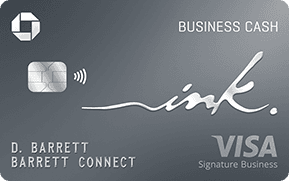
| Annual Fee | $0 |
| Rewards Rate | 1%-5% cash back |
| Sign Up Bonus | $750 cash back |
Discover it Student Chrome
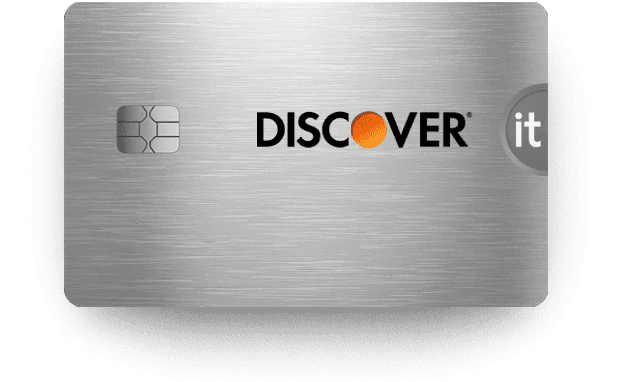
| Annual Fee | $0 |
| Rewards Rate | 2% cash back gas/restaurants, 1% everything |
| Sign Up Bonus | Unlimited dollar-for-dollar cash back match |
| Network | Discover |
Chase Freedom Unlimited Credit Card
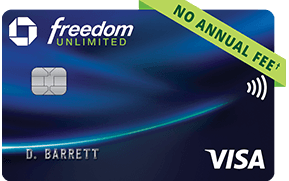
| Annual Fee | $0 |
| Rewards Rate | 1.5%-5% Cash Back |
| Sign Up Bonus | $200 bonus |
Eagle Adapt™ Credit Card

| Annual Fee | $0 |
| Rewards Rate | 1%-3% Cash Back |
| Sign Up Bonus | Earn $200 reward bonus |
| Network | Visa |
Chase Freedom Flex® Credit Card

| Annual Fee | $0 |
| Rewards Rate | 1-5% Cash Back, Travel |
| Sign Up Bonus | $250 bonus |
Prime Visa
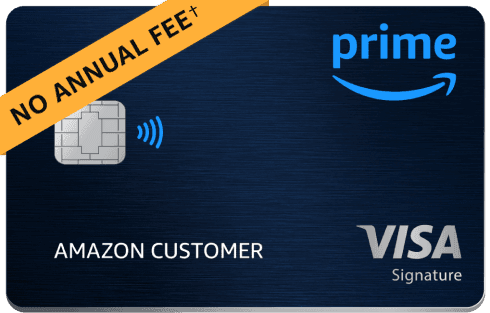
| Annual Fee | $0 |
| Rewards Rate | 1% to 5% Cash Back |
| Sign Up Bonus | 150 Amazon Gift Card |
| Network | Visa |
IHG One Rewards Premier Credit Card

| Annual Fee | $99 |
| Rewards Rate | 3X-26X points |
| Sign Up Bonus | Up to 150,000 bonus points |
Resources
Understanding Credit Card Sign-Up Bonuses
A credit card sign-up bonus, often called a welcome offer, is a one-time reward new cardholders can earn. Issuers offer these valuable incentives to encourage you to apply for their card and start using it. The process is simple: you must spend a certain amount of money on the card within a specific period after your account is approved, typically the first three to six months. Once you meet this minimum spending requirement, the bonus is credited to your account.
Types of Welcome Offers
Sign-up bonuses come in several forms, each catering to different preferences. Understanding the types can help you choose the card that best fits your lifestyle:
- Cash Back: This is the most straightforward bonus. You'll receive a set amount of money, usually as a statement credit that reduces your account balance or as a direct deposit.
- Points: Many rewards cards offer bonuses in the form of points. These points can be incredibly flexible, redeemable for travel through the issuer's portal, gift cards, merchandise, or even cash back. The value of a point can vary depending on how you redeem it.
- Miles: Co-branded airline and hotel credit cards typically offer bonuses in miles or loyalty points. These are perfect for avid travelers, as they can be redeemed for free flights, seat upgrades, or hotel stays within that specific loyalty program.
Before you apply for a card just for its lucrative bonus, it's crucial to read the terms and conditions. Make sure the minimum spending requirement is an amount you can comfortably reach through your normal spending—overspending just to earn a bonus can negate its value. Also, check for any eligibility restrictions, as some issuers won't grant you a bonus if you've had the card or a similar one in the past. By choosing a bonus that aligns with your financial habits, you can unlock significant value from day one.
Sign-Up Bonus Showdown: Points vs. Cash Back
Credit card sign-up bonuses are a fantastic way to get immediate value from a new card. But when faced with the choice between a lump sum of cash and a trove of travel points, which should you pick? The answer depends on your lifestyle and financial goals. A cash back bonus offers simplicity and flexibility, while a points bonus holds the potential for incredible travel experiences at a fraction of the cost.
The Simplicity of Cash Back
A cash back sign-up bonus is exactly what it sounds like: spend a required amount within a specific timeframe, and you'll receive a statement credit or a direct deposit for a fixed amount, often between $150 and $300. The primary advantage is its straightforwardness. There's no need to calculate point values or search for award availability. This bonus is perfect if you value flexibility and want a reward you can use for anything, from paying down your balance to covering everyday expenses.
The High-Value Potential of Points
Travel points bonuses, on the other hand, offer the chance for outsized value. A bonus of 60,000 points might be worth $600 as a statement credit, but it could be redeemed for a round-trip international flight or several nights at a luxury hotel, potentially valuing it at over $1,000. This route requires more effort—you'll need to understand transfer partners and award charts to maximize your return. If you love to travel and enjoy the 'game' of finding the best redemptions, a points bonus can unlock experiences that cash back simply can't match.
Which Bonus Is Right for You?
Ultimately, the best choice aligns with your spending habits and redemption preferences. Consider this breakdown to help you decide:
| Feature | Cash Back Bonus | Points Bonus |
|---|---|---|
| Best For | Simplicity & Flexibility | Maximizing Travel Value |
| Value | Fixed and predictable | Variable, potentially very high |
| Redemption | Easy (statement credit, etc.) | Complex (requires research) |
| Ideal User | Infrequent travelers, budgeters | Frequent travelers, reward optimizers |
If you want a no-fuss reward that's easy to use, cash back is the clear winner. But if you have specific travel goals and are willing to put in a little work, a points bonus can provide significantly more value and help make your dream trip a reality.
How to Calculate a Sign-Up Bonus's True Value
A huge credit card sign-up bonus can be incredibly tempting, but the headline number doesn't tell the whole story. To understand the real value you're getting, you need to look past the marketing and do a little math. By considering factors like annual fees, the value of the rewards points, and how easily you can redeem them, you can determine if a bonus is truly a good deal for your wallet.
Breaking Down the Bonus Value
Before you apply, always account for the annual fee. A simple way to calculate the first-year value is to subtract the annual fee from the bonus's cash value. For example, a $600 bonus on a card with a $95 annual fee effectively gives you a net value of $505 in the first year. This simple step can help you compare offers more accurately.
Another crucial element is the value of the points or miles themselves. Not all rewards points are created equal. A card's points might be worth a straightforward 1 cent each for cash back, but they could be worth 2 cents or more when transferred to a specific airline or hotel partner. Consider how you plan to use the rewards:
- Cash Back: Easy and flexible, but often provides a lower value per point.
- Travel Portals: Booking through the card's portal can sometimes offer a higher value (e.g., 1.25 cents per point).
- Transfer Partners: Often provides the highest potential value, but requires more research and flexibility in your travel plans.
Ultimately, the best sign-up bonus is one that aligns with your spending habits and redemption goals. A massive travel bonus is worthless if you never travel, while a straightforward cash back bonus might be perfect. Look for flexibility and a reward system that complements your lifestyle to ensure you get the maximum value from your new card.
7 Smart Ways to Meet a Minimum Spend
Unlock Your Big Sign-Up Bonus Responsibly
A new credit card's sign-up bonus can be incredibly valuable, often worth hundreds of dollars in travel or cash back. But to earn it, you usually have to meet a minimum spend requirement—a specific amount you must charge to the card within the first few months. The key is to reach this target without overspending or accumulating debt. With a little planning, you can easily unlock that bonus by strategically using your card for expenses you already have.
Here are seven smart ways to meet your minimum spend requirement without changing your regular spending habits:
-
Time Your Application: The easiest way to meet a spending threshold is to apply for a card right before a large, planned purchase. Think about upcoming expenses like new appliances, car repairs, annual insurance premiums, or a planned vacation.
-
Shift Your Regular Bills: Move all your recurring monthly payments to the new card. This includes utilities, cell phone bills, internet, streaming services, and gym memberships. These predictable expenses can add up quickly.
-
Prepay for Future Needs: If you have the cash on hand, consider prepaying for services you know you'll use. You could pay your car insurance for the next six months, renew annual subscriptions, or even pay estimated taxes.
-
Buy Gift Cards for Everyday Spending: Purchase gift cards for places you shop at regularly, like your primary grocery store, gas station, or favorite coffee shop. This is a great way to front-load your spending without buying things you don't need.
-
Be the "Banker" for Your Friends: When you're out with friends or family, offer to put the entire bill for dinner or event tickets on your card. Your friends can easily pay you back their share through apps like Venmo or Zelle.
-
Pay Large Bills via a Third-Party Service: While you often can't pay rent or your mortgage directly with a credit card, services like Plastiq allow you to do so for a small fee (typically 2-3%). Calculate if the value of the sign-up bonus outweighs the service fee. For a large bonus, it often does.
-
Add an Authorized User: The spending of any authorized users on your account counts toward your minimum spend. Add a trusted family member or partner, and their everyday purchases can help you reach the goal faster. Just be sure you have an agreement for how they'll repay you.
Meeting a minimum spend requirement is a strategic game. The goal is to capture a valuable bonus by channeling your existing, necessary spending through a new card. By planning ahead and using these tips, you can earn your rewards without falling into the trap of unnecessary debt.
Is a Big Sign-Up Bonus Worth the Annual Fee?
A huge credit card sign-up bonus can be incredibly tempting, offering hundreds of dollars in travel or cash back right out of the gate. But many of the most lucrative offers are attached to cards with an annual fee, which can make you pause. Is the trade-off worth it? The good news is that with a little simple math, you can easily figure it out.
Calculating the First-Year Value
To see if a card is a good deal in the first year, focus on one simple calculation: the value of the welcome bonus minus the annual fee. For example, if a card offers a 60,000-point bonus that you value at $600 and has a $95 annual fee, your net gain for the first year is $505. In this case, paying the fee is clearly worth it for the initial bonus alone.
Here’s the formula:
- (Value of Sign-Up Bonus) - (Annual Fee) = Net First-Year Value
Before you apply, always look beyond the bonus. While a large net gain in the first year is great, the calculation changes in year two. The bonus is a one-time perk, but the annual fee is a recurring charge. To decide if the card is a keeper, you'll need to make sure its ongoing benefits—like rewards on your spending, travel credits, or airport lounge access—provide more value than the cost of the annual fee year after year.
Our Methodology
How we pick the best credit card sign-up bonuses
To find the best credit card sign-up bonuses, our editorial team evaluates each card using a comprehensive scoring system. The most heavily weighted factor in our analysis is the welcome offer itself; we assess its total value and the spending required to earn it. Because a card should provide value long after the bonus is earned, the ongoing rewards rate is the second most important element we consider. We also evaluate the card’s fee structure and its overall package of benefits and perks. Finally, factors like the card's APR and the issuer's reputation play a smaller, but still important, role in our ratings.
This data-driven approach allows us to compare cards fairly and produce our final star ratings and rankings. Our mission is to provide you with clear, unbiased recommendations you can trust. Although we may receive compensation from our partners, this does not influence our editorial opinions, reviews, or the placement of cards in our lists.