Best Student Credit Cards
The best student credit cards help young adults build credit while earning rewards and avoiding unnecessary fees. These cards are designed for first-time users with little or no credit history and often come with useful tools, flexible approval standards, and no annual fee. Some even offer perks for good grades or responsible usage. Building credit in school can open doors for years to come.
Our Picks
Discover it Student Cash Back

| Annual Fee | $0 |
| Rewards Rate | 1%-5% Cash Back |
| Sign Up Bonus | Unlimited dollar-for-dollar cash back match |
| Network | Discover |
Discover it Student Chrome
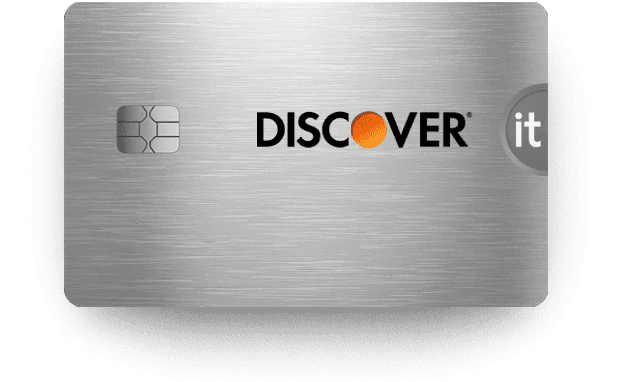
| Annual Fee | $0 |
| Rewards Rate | 2% cash back gas/restaurants, 1% everything |
| Sign Up Bonus | Unlimited dollar-for-dollar cash back match |
| Network | Discover |
Discover it Secured Cash Back

| Annual Fee | $0 |
| Rewards Rate | 5% and 1% cash back. |
| Sign Up Bonus | Unlimited dollar-for-dollar cash back match. |
| Network | Discover |
Ink Business Preferred® Credit Card

| Annual Fee | $95 |
| Rewards Rate | 1x-5x Points |
| Sign Up Bonus | 100,000 bonus points |
Bank of America® Unlimited Cash Rewards Credit Card for Students
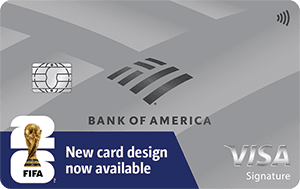
| Annual Fee | $0 |
| Rewards Rate | 1.5% Cash Back |
| Sign Up Bonus | $250 Cash Rewards Bonus |
Bank of America® Customized Cash Rewards Credit Card for Students
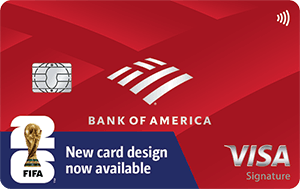
| Annual Fee | $0 |
| Rewards Rate | 1%-6% Cash Back |
| Sign Up Bonus | 200 Cash Rewards Bonus |
Bank of America® Travel Rewards Credit Card for Students
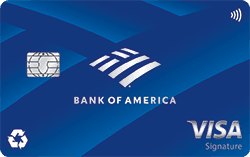
| Annual Fee | $0 |
| Rewards Rate | 1.5x points on all purchases |
| Sign Up Bonus | 25,000 bonus points |
Bank of America® Customized Cash Rewards Secured Credit Card
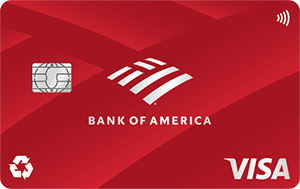
| Annual Fee | $0 |
| Rewards Rate | Up to 6% Cash Back |
| Sign Up Bonus | No signup bonus offered |
Bank of America® Travel Rewards Secured Credit Card
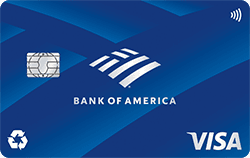
| Annual Fee | $0 |
| Rewards Rate | 1.5x Points on all purchases |
| Network | Visa |
Eagle Ascend™ Credit Card

| Annual Fee | $0 |
| Rewards Rate | 2% cash back, 1x points |
| Sign Up Bonus | Up to $98 statement credit |
| Network | American Express |
Resources
How to Choose Your First Student Credit Card
Jumping into the world of credit can feel exciting and a little intimidating, but choosing your first student credit card is a fantastic way to start building a positive credit history. These cards are specifically designed for college students who often have limited income and no established credit. Using one responsibly for small purchases like textbooks, groceries, or a monthly streaming service can help you build a strong credit score, which will be crucial for future financial goals like getting a car loan or renting an apartment.
What to Look For in a Student Card
Not all student cards are created equal. As you compare your options, focus on the features that provide the most value and help you avoid unnecessary costs. Here’s a breakdown of what to look for:
| Feature | What to Look For |
|---|---|
| Annual Fee | A card with a $0 annual fee. Most student cards don't have one. |
| Rewards | Cash back (e.g., 1-1.5% on all purchases) or points. Some offer bonuses for good grades. |
| APR (Interest Rate) | A lower APR is better, but your primary goal should be to pay your balance in full each month to avoid interest charges altogether. |
| Welcome Bonus | A small cash bonus or statement credit after meeting a minimum spending requirement in the first few months. |
| Other Perks | No foreign transaction fees (great for studying abroad) and access to your credit score for free. |
Making a Smart Choice
Your first credit card is a learning tool. The best card for you is one that aligns with your spending habits and helps you build good financial practices. Start by shortlisting two or three cards that have no annual fee and simple, easy-to-understand rewards. Before you apply, read the terms and conditions to understand any potential fees for late payments.
Remember, the most important rule of credit is to only charge what you can afford to pay off completely. By paying your bill on time and in full every month, you'll not only avoid interest but also begin building a solid credit foundation that will serve you well long after graduation.
How Can I Build Credit as a College Student?
Heading off to college is an exciting step towards independence, and that includes financial independence. One of the smartest money moves you can make as a student is to start building a positive credit history. Your credit score might seem like a far-off concern, but it will be crucial when you want to rent an apartment, finance a car, or even qualify for certain jobs after graduation. Establishing good credit habits now sets a strong foundation for your entire financial future.
Getting Started: Your First Credit Card
The most common tool for building credit in college is a student credit card. These cards are designed specifically for students who often have a limited income and no prior credit history, making them easier to qualify for than traditional cards. They typically have lower credit limits, which helps prevent overspending while you learn the ropes. If you're having trouble getting approved for a student card, a secured credit card is another excellent option. With a secured card, you provide a cash deposit that usually becomes your credit line, minimizing the risk for the lender and giving you a safe way to build credit.
Smart Habits for a Strong Credit Score
Once you have a card, using it responsibly is key. Your goal isn't to spend a lot of money, but to show lenders that you are a reliable borrower. Follow these simple rules to build a great credit score:
- Always Pay on Time: Your payment history is the single most important factor in your credit score. Set up automatic payments or calendar reminders to ensure you never miss a due date.
- Keep Balances Low: Try to use less than 30% of your available credit limit. For example, if your limit is $500, keep your balance below $150. This is called your credit utilization ratio, and a low ratio is good for your score.
- Pay in Full: While you only have to make the minimum payment, it's best to pay your entire balance off each month. This helps you avoid costly interest charges and proves you can manage your spending.
- Use it for Small Purchases: Use your card for small, planned expenses like textbooks, gas, or a monthly streaming service, and then pay it off. This keeps your usage consistent and manageable.
Student vs. Secured Credit Cards: Which is Right for You?
Starting your credit journey is an exciting step toward financial independence, and choosing the right first card is crucial. Two of the most common options for credit-builders are student credit cards and secured credit cards. Both are excellent tools for establishing a positive credit history, but they cater to slightly different needs and work in distinct ways. Understanding the key differences will help you decide which card is the perfect fit to launch your credit journey.
What is a Student Credit Card?
A student credit card is an unsecured card designed specifically for individuals enrolled in college or university. Since banks know students often have limited income and no credit history, these cards have more lenient approval requirements than traditional credit cards. They don't require a security deposit and often come with student-centric perks, like cash back rewards for good grades or bonuses on textbook purchases. To qualify, you'll typically need to be at least 18 years old and provide proof of enrollment.
How Does a Secured Credit Card Work?
A secured credit card is a powerful tool for anyone—student or not—who needs to build or rebuild their credit. The main difference is that a secured card requires a refundable cash deposit to open the account. This deposit typically equals your credit limit; for example, a $300 deposit will get you a $300 credit limit. Because your deposit secures the line of credit, issuers see it as very low-risk, making secured cards one of the easiest types to get approved for. After demonstrating responsible use over time, many issuers will refund your deposit and upgrade you to an unsecured card.
Head-to-Head Comparison
To make the choice clearer, here’s a simple breakdown of how these two card types stack up against each other:
| Feature | Student Credit Card | Secured Credit Card |
|---|---|---|
| Target Audience | College students | Anyone building or rebuilding credit |
| Security Deposit | None required | Required & refundable |
| Approval Chance | Good, but requires student status | Excellent, very high approval odds |
| Rewards | Often includes student-focused perks | Rewards are less common, but available |
Ultimately, the best choice depends on your situation. If you are an enrolled student, a student credit card is likely your best first option as it provides a standard credit experience without an upfront deposit. However, if you are not a student or have trouble getting approved for a student card, a secured card is a guaranteed pathway to building the strong credit score you'll need for your future financial goals.
First Credit Card? Avoid These Common Mistakes
Getting your first credit card is a major financial milestone. It's an excellent tool for building a strong credit history, which you'll need for future goals like getting a car loan or a mortgage. However, it's easy to fall into common traps that can lead to debt and damage your credit score. By understanding these pitfalls from the start, you can build healthy financial habits that will last a lifetime.
One of the biggest mistakes new cardholders make is only paying the minimum amount due. While tempting, this is a costly error. With average credit card APRs often exceeding 20%, carrying a balance means you're paying a significant amount in interest, causing that small purchase to cost much more over time. Another major pitfall is missing a payment. A single late payment can result in a fee of up to $40 and can be reported to credit bureaus, damaging your score since payment history accounts for 35% of your FICO score.
It's also crucial to watch your credit utilization ratio—the percentage of your available credit that you're using. Maxing out your card or keeping a high balance signals risk to lenders and can lower your credit score. A good rule of thumb is to keep your utilization below 30% of your total credit limit. For example, on a card with a $1,000 limit, you should aim to keep your balance under $300.
To start on the right foot, follow these simple rules:
- Pay on time, every time. Set up alerts or autopay so you never miss a due date.
- Pay in full. Whenever possible, pay your statement balance in full to avoid interest charges.
- Keep balances low. Treat your credit card like a debit card and only charge what you can afford.
- Monitor your account. Regularly check your statements for accuracy and track your spending.
By avoiding these common mistakes, you can use your first credit card as a powerful tool to build a bright financial future.
Our Methodology
How we pick the best student credit cards
To identify the best student credit cards, our team conducts a thorough, objective analysis of cards designed for those new to credit. We rate each card across several key factors, placing the greatest emphasis on the ongoing rewards structure, as earning cash back on everyday spending provides tangible value. We also heavily weigh the presence of fees and the card issuer's reputation, as a student's first card should be affordable and come from a trusted institution. The overall cardholder experience is also a significant part of our evaluation, while factors like one-time sign-up bonuses and interest rates are considered but carry less weight in our final rankings.
Our goal is to help students find a card that allows them to build a positive credit history safely and effectively. The star ratings are the result of this rigorous evaluation, and our editorial team’s analysis and recommendations are their own. Our rankings are not influenced by any compensation we receive from card issuers, ensuring our advice remains unbiased and trustworthy.