Best Credit Cards for Good Credit
Looking for a new credit card but only have good credit? This page highlights the best credit cards available for those with a good credit score. We've analyzed cards across various categories, focusing on rewards, low interest rates, and valuable perks. Find a card that matches your spending habits and helps you maximize rewards or save on interest.
Our Picks
Citi Strata Premier® Card
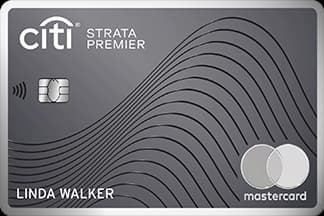
| Annual Fee | $95 |
| Rewards Rate | 1x-10x Points |
| Sign Up Bonus | 60,000 bonus points |
| Network | Mastercard |
Air Canada Aeroplan® Card

| Annual Fee | $195 |
| Rewards Rate | 1x-5x Points |
| Sign Up Bonus | Up to 115,000 bonus points |
| Network | Mastercard |
Citi Double Cash® Card

| Annual Fee | $0 |
| Rewards Rate | 2% Cash Back, 5% Travel |
| Sign Up Bonus | Earn $200 cash back bonus |
| Network | Mastercard |
Citi / AAdvantage Globe card

| Annual Fee | $350 |
| Rewards Rate | 1x-6x AAdvantage miles |
| Sign Up Bonus | 60,000 AAdvantage bonus miles |
| Network | Mastercard |

Bass Pro Shops and Cabela's CLUB Business card

| Annual Fee | $0 |
| Rewards Rate | 1.5%-5% points back |
| Sign Up Bonus | $75 in CLUB Points |
| Network | Mastercard |
Credit One Bank Platinum X5 Visa Signature® Card

| Annual Fee | $95 |
| Rewards Rate | 1%-5% Cash Back |
| Network | Visa |
Credit One Bank Platinum Rewards Visa with No Annual Fee

| Annual Fee | $0 |
| Rewards Rate | 1% Cash Back |
| Sign Up Bonus | No signup bonus |
| Network | Visa |
Resources
What Credit Score Unlocks the Best Cards?
Wondering what credit score you need to snag those premium credit cards with amazing perks? While the exact number can vary by lender, a 'good' credit score is your golden ticket. For the two most common scoring models, this generally means a FICO Score between 670 and 739 or a VantageScore between 661 and 780. Reaching this tier significantly improves your chances of being approved for top-tier cards.
To lenders, a good credit score demonstrates that you are a reliable borrower who manages debt responsibly. It signals a lower risk, making them more willing to extend offers with valuable benefits. While a score in the 'Good' range is a great start, aiming for 'Very Good' (FICO 740-799) or 'Excellent' (FICO 800+) will open the door to the most exclusive cards and the most favorable terms available.
Why Your Score Matters for Top Cards
A strong credit score does more than just get your application approved; it unlocks a suite of premium benefits that can save you money and enhance your lifestyle. Here’s what a good score can get you:
- Higher Approval Odds: You'll have a much better chance of being approved for sought-after travel rewards and premium cashback cards.
- Lucrative Welcome Offers: Lenders reserve their best sign-up bonuses, often worth hundreds of dollars in cash or travel, for applicants with strong credit.
- Lower Interest Rates: A good score qualifies you for a lower Annual Percentage Rate (APR), which can save you a significant amount of money if you ever carry a balance.
- Higher Credit Limits: Lenders are more comfortable offering higher credit lines to applicants they see as low-risk.
While your credit score is the most critical factor, lenders also consider your income and overall debt-to-income ratio. By maintaining a good score, you position yourself as a prime candidate for the best financial products on the market.
Rewards vs. 0% APR: Which Card Is Right?
Having good credit is like having a key that unlocks the best credit card offers available. The two most popular doors to open are those leading to big rewards or significant interest savings with a 0% introductory APR. While both are fantastic perks, they serve very different financial goals. Choosing the right one depends entirely on your immediate needs and spending habits.
The Case for Long-Term Value: Rewards Cards
A rewards credit card is designed for long-term value. Every dollar you spend earns you points, miles, or cash back that can be redeemed for travel, statement credits, or gift cards. This is the ideal choice if you consistently pay your balance in full every month. By avoiding interest charges, you get to enjoy the full benefit of your earned rewards. However, these cards typically carry higher standard APRs, making them a costly choice if you plan to carry a balance from month to month.
The Power of Short-Term Savings: 0% Intro APR Cards
On the other hand, a 0% intro APR card is a powerful short-term financial tool. It allows you to make a large purchase or transfer a high-interest balance from another card and pay it off over time—typically 12 to 21 months—without accruing any interest. This can save you hundreds of dollars in finance charges. The key is to have a solid plan to pay off the entire balance before the introductory period expires, as a much higher standard variable APR will apply after that.
How to Choose
Your choice should align with your primary financial objective. Use this simple breakdown to guide your decision:
| Feature | Best Rewards Card | Best 0% Intro APR Card |
|---|---|---|
| Primary Goal | Earning long-term value from everyday spending | Saving money on interest for a specific goal |
| Best For You If... | You pay your balance in full each month | You need to finance a large purchase or pay down debt |
| Watch Out For | High standard APR if you carry a balance | The APR after the introductory period ends |
Ultimately, if you're a disciplined spender who avoids credit card debt, a rewards card will provide the most value over time. If you need a temporary break from interest to manage your finances, a 0% APR card is the clear winner.
Choosing Your First Premium Credit Card
Upgrading from a basic credit card to a premium one is an exciting financial milestone. These cards unlock a world of valuable perks, from airport lounge access to generous travel credits and enhanced purchase protections. However, they also typically come with a substantial annual fee, ranging from a few hundred to nearly a thousand dollars. The key is to ensure the card's benefits align with your spending habits and lifestyle, turning that fee into a worthwhile investment rather than an unnecessary expense.
Do the Math: Annual Fee vs. Real Value
Before you apply, conduct a simple cost-benefit analysis. Start with the annual fee and then subtract the value of the perks you are certain you will use. For example, a card with a $550 annual fee might offer:
- $300 Annual Travel Credit: If you travel at least once a year, you can easily use this.
- $100 Saks Fifth Avenue Credit: Only valuable if you shop there.
- Airport Lounge Access: How many times will you fly? A single lounge visit can be valued at $50 or more.
- Ride-Sharing Credits: Useful if you frequently use services like Uber or Lyft.
If the credits and perks you'll realistically use add up to more than the annual fee, the card is likely a great fit. Be honest with yourself about which benefits you'll actually take advantage of.
Match Rewards to Your Spending
Beyond statement credits, the most significant long-term value comes from the rewards structure. Analyze your budget to see where you spend the most. Are you a frequent traveler, a dedicated foodie, or someone who spends a lot on groceries and streaming? Choose a card that offers accelerated rewards in your top categories. A fantastic sign-up bonus can provide a huge initial boost, but the card's ability to reward your everyday spending is what delivers sustained value year after year. By picking a card that complements your life, you transform your regular expenses into valuable points and miles for your next adventure.
Are Credit Card Annual Fees Worth It?
When you have good credit, you get access to the best credit cards on the market—many of which come with an annual fee. While it might seem counterintuitive to pay for a credit card, these fees often unlock a world of premium rewards and benefits that can easily outweigh the cost, turning the fee into a smart investment.
The key is to do the math based on your lifestyle and spending habits. A premium card's value doesn't just come from a higher rewards rate; it's a package of valuable perks. Before signing up, calculate the potential return you'd get from its features.
Tallying Up the Value
Consider the combined value of these common perks:
- Welcome Bonus: Often worth hundreds of dollars in the first year alone.
- Enhanced Rewards: Higher cash back or points in categories where you spend the most, like travel, dining, or groceries.
- Annual Statement Credits: Many cards offer credits for travel, streaming services, or dining that directly offset the annual fee.
- Travel Perks: Benefits like airport lounge access, free checked bags, and credits for Global Entry or TSA PreCheck® can save you significant money and hassle if you travel frequently.
Let's compare a typical no-fee card to a card with a $95 annual fee. If you spend $5,000 per year on travel and dining, a premium card offering 3% back on those categories would earn you $150. A standard no-fee card at 1.5% would only earn $75. If the premium card also includes a $100 travel credit, your total value is $250. After subtracting the $95 fee, you still come out ahead by $155, making it the clear winner for your spending style.
Unlocking Elite Credit Cards: Approval Secrets
Dreaming of the exclusive perks that come with elite travel and rewards credit cards? While an excellent credit score is the price of entry, it's often not enough to guarantee approval. Issuers of premium cards dig deeper into your financial profile to ensure you're a low-risk, high-value customer. They are looking for a track record of responsible credit management that goes far beyond just paying your bills on time.
To significantly boost your chances, focus on these key areas before you apply:
- Credit Utilization Ratio: This is the percentage of your available credit that you're currently using. For top-tier cards, keeping this ratio below 10% is ideal. A low utilization ratio signals to lenders that you manage your finances well and don't rely heavily on credit.
- Application Velocity: Applying for too many credit cards in a short period is a major red flag. Many issuers have unwritten rules, like Chase's 5/24 rule, which can lead to an automatic denial if you've opened too many accounts recently. As a general guideline, try to space out your card applications by at least three to six months.
- Sufficient Income: Premium cards often come with high credit limits and substantial annual fees. Lenders need to be confident that your reported income can comfortably support the spending limit and any associated costs without strain.
- Banking Relationships: Sometimes, having an established relationship with the card issuer can tip the scales in your favor. Holding a checking or savings account with the bank for a period of time before applying can demonstrate loyalty and provide them with a fuller picture of your financial health.
By strategically managing these aspects of your financial profile, you present yourself as the ideal candidate for the market's most sought-after cards. It's not just about the score; it's about showcasing a history of consistent, responsible financial behavior.
Cash Back vs. Travel Points: Which is Best?
Having a good credit score unlocks a world of premium credit cards, but the biggest decision often comes down to one question: cash back or travel points? Both reward you for your spending, but they work very differently. The right choice depends entirely on your lifestyle, spending habits, and what you value most in a reward.
The Simplicity of Cash Back
Cash back cards are the most straightforward option. You earn a percentage of your spending back as cash, which can be redeemed as a statement credit, a direct deposit, or a check. This is an excellent choice for those who value flexibility and simplicity above all else.
- Pros: It's easy to understand and redeem. You can use your rewards for anything, from paying down your bill to saving for a rainy day.
- Cons: The value is fixed. One dollar in cash back is always worth one dollar. You might miss out on the outsized value that travel points can sometimes provide.
The Adventure of Travel Points
Travel rewards cards earn points or miles that can be redeemed for flights, hotel stays, and other travel-related expenses. These cards are designed for globetrotters and frequent flyers who want to turn their spending into their next vacation.
- Pros: The potential value can be very high. By transferring points to airline and hotel partners, you can often get a value of 2 cents per point or more, especially for premium cabin flights. Many cards also include valuable perks like airport lounge access and free checked bags.
- Cons: Maximizing value requires research and flexibility. Point values can fluctuate, and you're often tied to specific travel portals or partner programs. If you don't travel often, these rewards lose their appeal.
How to Choose Your Reward Type
Still not sure? Take a look at your spending habits and priorities. If you spend most of your money on everyday categories like groceries, dining, and gas, and you appreciate a simple reward, a cash back card is a fantastic, no-fuss option. However, if you have a significant travel budget and enjoy the puzzle of maximizing point redemptions, a travel card will deliver far more value and enhance your travel experiences.
Our Methodology
How We Pick the Best Credit Cards for Good Credit
To determine the best cards for consumers with good credit, our editorial team conducts a comprehensive review of each card's features and long-term value. We place the most emphasis on the card's overall value proposition and its ongoing rewards structure, as these factors provide the most significant benefit to cardholders over time. We also give significant weight to other key attributes, including the introductory sign-up bonus, the ongoing annual percentage rate (APR), and the issuer's reputation for customer service and reliability. While we also consider costs like the annual fee, our primary focus is on identifying cards that offer a superior combination of earning potential and valuable benefits.
Our star ratings are the result of this objective, data-driven analysis. After evaluating each card against our established criteria, we compile the final rankings to help you find the product that best fits your financial needs. It’s important to note that our rankings are determined solely by our editorial team. While we may receive compensation from our partners when you apply for a card through our site, this does not influence our reviews, ratings, or the order in which cards appear.