Apple Expands Tap to Pay on iPhone, Ditching Terminals
Apple is significantly expanding its Tap to Pay on iPhone feature across retail stores, reportedly phasing out traditional payment terminals for a streamlined checkout process. This strategic move leverages the new iPhone 16 to ensure reliable contactless payments, even with premium metal cards.

Apple Stores Are Phasing Out Card Readers for iPhone-to-iPhone Payments
Your next visit to an Apple Store might feel a little more streamlined, thanks to a significant change in how you'll pay for your new gadgets. Apple is expanding its Tap to Pay on iPhone feature across its retail locations, allowing employees to accept payments directly on their work iPhones without needing a separate card reader. This shift is designed to make the checkout process faster and more seamless for customers.
The Shift Away from Dedicated Hardware
For years, checking out at an Apple Store meant an employee used an iPhone paired with a clunky, sled-like Bluetooth credit card reader. This system was part of a multi-year transition away from even older, customized point-of-sale devices known internally as "Isaacs." Now, Apple is taking the next logical step by phasing out the external readers entirely.
According to a recent report from Bloomberg's Mark Gurman, Apple plans to reduce the number of these dedicated payment terminals in its stores over the "coming days and weeks." The goal is to equip more retail team members to handle transactions using only their company-issued iPhone, freeing them up to help customers and process payments from anywhere on the sales floor.
iPhone 16 Solves Key Payment Hurdle
While the idea of using an iPhone for payments isn't new, a key technical challenge has stood in the way of a full rollout. Previously, many employees were using iPhone 14 devices for Apple retail store payments, but this system had a notable flaw: it often struggled to read premium metal credit cards.
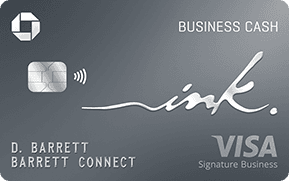
Customers using popular cards like the American Express Platinum Card or the Chase Sapphire Reserve sometimes experienced failed transactions. The newly distributed iPhone 16 models, however, resolve this issue. The updated hardware in the iPhone 16 handles Tap to Pay with these heavier metal cards much more reliably, paving the way for a broader, store-wide adoption of the technology.
Impact on Store Operations and Customers
So, what does this mean for your shopping experience? As more Apple employees receive their new iPhone 16 devices, the checkout process will become even more integrated. Instead of waiting for an employee to grab a separate payment device, you'll be able to complete your purchase by simply tapping your physical credit or debit card, or your own iPhone or Apple Watch, directly against the employee's iPhone.
The system requires no additional hardware, which not only simplifies the transaction but also reduces clutter and potential points of failure. For customers, this means a quicker and more modern checkout that feels like a natural extension of the Apple ecosystem.
Conclusion and Next Steps
The move to fully embrace Tap to Pay on iPhone solidifies the device as the central, all-in-one tool for Apple's retail staff. As the rollout continues and the old Bluetooth attachments are phased out, you can expect a faster, more efficient payment experience. The next time you're buying a new iPhone or accessory, the device you're paying with might just be another iPhone.