Southwest Airlines Ends Open Seating, Introduces Assigned Seating
After more than 50 years, Southwest is ditching its famous open seating. Find out how **Southwest assigned seating** will work, how to snag **Southwest priority boarding**, and what this means for your next flight.
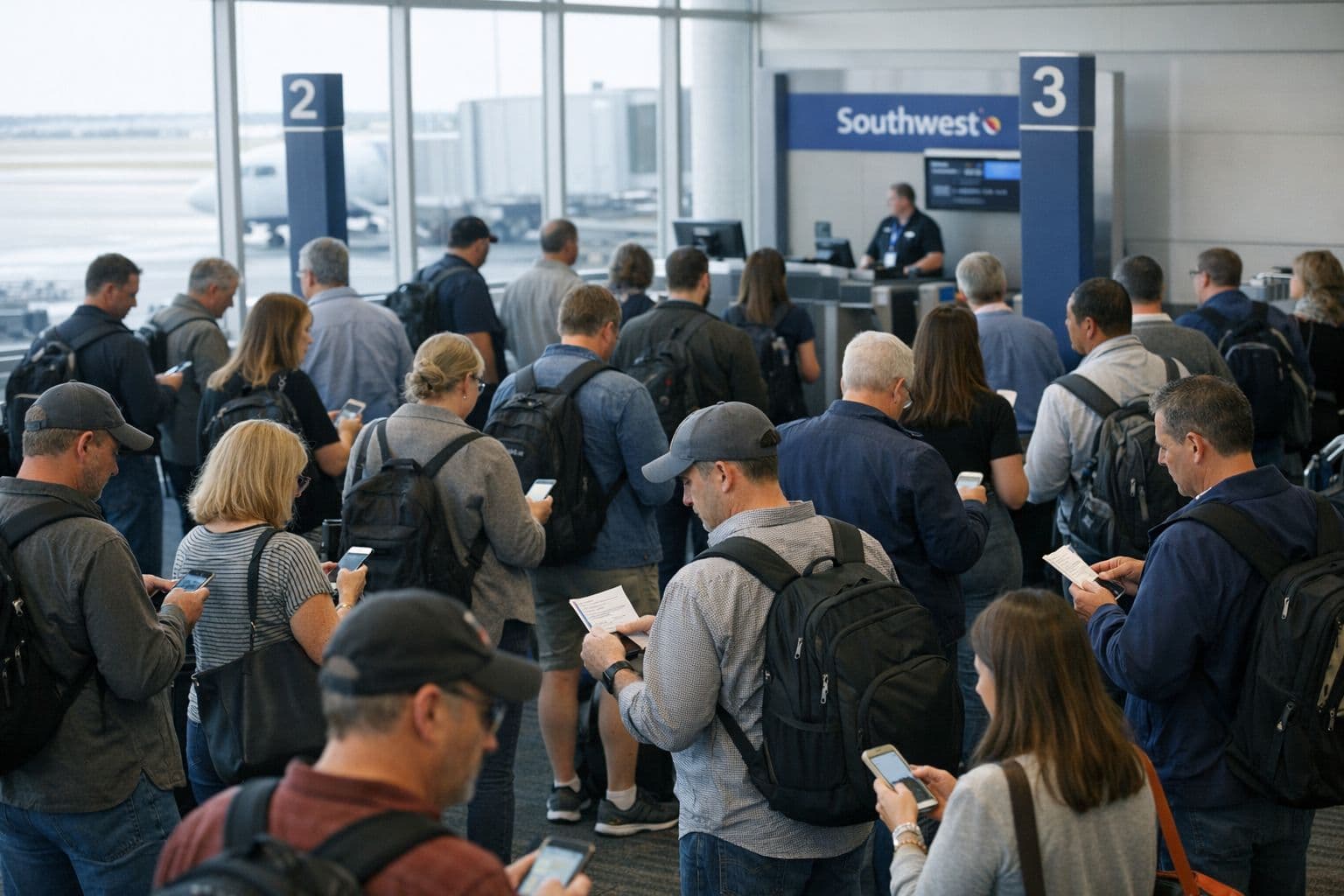
For travelers who built their pre-flight strategy around a 24-hour check-in alarm, the Southwest Airlines boarding process is about to look very different. After more than 50 years of its signature open seating policy, the airline has officially made the switch to assigned seating. Starting Tuesday, the familiar scramble for the best available spot is a thing of the past, marking a major shift for the carrier and its loyal customers.
The End of an Era: A/B/C Groups Retired
The final flights using Southwest’s iconic open seating system took place on Monday, closing a chapter on one of the most unique boarding processes in the airline industry. For decades, passengers checked in exactly 24 hours before departure to secure a coveted "A" group position. This find-your-own-seat method was originally designed to get planes turned around quickly, a key factor in Southwest’s long-standing profitability.
Over time, the purely first-come, first-served system evolved. The introduction of paid options like EarlyBird Check-In and Upgraded Boarding gave some passengers a leg up, but the fundamental process remained. Now, the A, B, and C boarding groups are being retired in favor of a new structure.
How Southwest Assigned Seating Works
The new Southwest assigned seating system brings the airline more in line with its competitors, but with a few unique twists. Instead of the familiar three boarding groups, passengers will now be organized into an eight-group boarding structure.
At the gate, the numbered metal columns are also on their way out. The airline will be converting its gate areas to a two-lane alternating boarding system, a process expected to take about two months to complete across all airports. Your newly designed boarding pass will now clearly display both your assigned seat number and your specific boarding group.
Seat Assignments and Boarding Priority
So, how is your boarding position determined now? The new Southwest boarding groups are based on a combination of factors, including the fare class you purchased, your Rapid Rewards loyalty status, and the specific seat you select.
Here’s a breakdown of what to expect:
- Premium Seating: Passengers who pay for Southwest extra legroom seats will be among the first to board, placed in groups 1 and 2.
- Basic Fares: Travelers who book the airline’s most basic fares will likely find themselves in the later boarding groups, from 6 to 8.
- Families and Groups: To keep travel parties together, a single reservation for up to nine people will automatically assign all passengers to the same boarding group.
- Last-Minute Upgrades: The option for Southwest priority boarding isn't gone completely. Depending on availability, you may still be able to purchase a better boarding position on certain flights starting 24 hours before departure.
Additional Policy Changes
The move to assigned seating is just one of several major policy updates from the airline. Also effective Tuesday, Southwest is implementing a new "customer of size" policy that requires travelers who cannot fit between the armrests of a single seat to purchase an additional seat in advance. Unlike the previous policy, a refund for the extra seat is no longer guaranteed and will depend on flight availability.
This change follows the even bigger announcement that the airline will end its famous "bags fly free" policy. Starting in May 2025, most travelers will need to pay standard baggage fees, another departure from a policy that has defined the brand for decades.
Conclusion: Why Southwest is Making the Change
These sweeping changes are driven by two main forces: increasing profitability and attracting new customers. The shift comes amid pressure from investors to generate more revenue. Furthermore, Southwest's own research revealed a critical insight. According to CEO Robert Jordan, the open seating policy was the top reason surveyed travelers gave for choosing to fly with another airline.
By introducing assigned seating, Southwest aims to appeal to a broader segment of travelers, particularly business flyers and families who prefer the certainty of knowing their seat assignment in advance. While the "Southwest shuffle" may be gone, the airline is betting that a more predictable and streamlined experience will ultimately pay off.