Best Credit Cards for Excellent Credit
If you have excellent credit, you have access to some of the best credit card offers. This page highlights the top credit cards for people with excellent credit, offering valuable rewards, low interest rates, and premium perks. We've selected cards based on factors like cash back earnings, travel rewards, introductory APRs, and overall value. Find the perfect card to maximize your benefits and savings.
Our Picks
Hilton Honors American Express Surpass® Card

| Annual Fee | $150 |
| Rewards Rate | 3X-12X Hilton Honors Points |
| Sign Up Bonus | 130,000 Points + Free Night Reward |
| Network | American Express |
Citi Strata Premier® Card
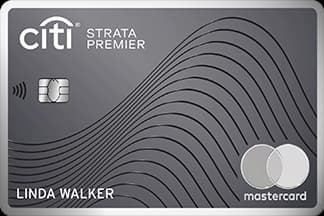
| Annual Fee | $95 |
| Rewards Rate | 1x-10x Points |
| Sign Up Bonus | 60,000 bonus points |
| Network | Mastercard |
Air Canada Aeroplan® Card

| Annual Fee | $195 |
| Rewards Rate | 1x-5x Points |
| Sign Up Bonus | Up to 115,000 bonus points |
| Network | Mastercard |

Business Platinum Card
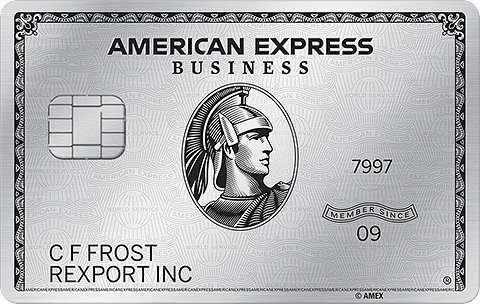
| Annual Fee | $895 |
| Rewards Rate | 1x-5x Membership Rewards points |
| Sign Up Bonus | Up to 300,000 Membership Rewards Points |
| Network | American Express |
Venture X Business

| Annual Fee | $395 |
| Rewards Rate | 2x-10x miles |
| Sign Up Bonus | Up to 300,000 bonus miles |

Citi Double Cash® Card

| Annual Fee | $0 |
| Rewards Rate | 2% Cash Back, 5% Travel |
| Sign Up Bonus | Earn $200 cash back bonus |
| Network | Mastercard |
Spark 1.5% Cash Select

| Annual Fee | $0 |
| Rewards Rate | 1.5% - 5% Cash Back |
| Sign Up Bonus | $750 cash bonus |
Citi / AAdvantage Globe card

| Annual Fee | $350 |
| Rewards Rate | 1x-6x AAdvantage miles |
| Sign Up Bonus | 60,000 AAdvantage bonus miles |
| Network | Mastercard |
Resources
What an Excellent Credit Score Unlocks
Reaching the top tier of credit scores—typically considered a FICO score of 800 to 850—places you in an elite group of borrowers. This isn't just about bragging rights; an 'excellent' credit score is your key to unlocking the most favorable financial products and premium perks available on the market. Lenders view you as a highly responsible and low-risk customer, rolling out the red carpet with their best offers.
So, what exactly does this top-tier status get you? The benefits are substantial and can save you thousands of dollars over time. With an excellent score, you gain access to:
- The Lowest Interest Rates: You'll qualify for the best available APRs on mortgages, auto loans, and personal loans. On credit cards, this means paying significantly less in interest if you carry a balance.
- Premium Credit Card Offers: Forget basic cashback cards. You'll be the prime candidate for luxury travel cards with massive sign-up bonuses, airport lounge access, hotel status upgrades, and exclusive event access.
- Higher Credit Limits: Lenders will trust you with much higher credit limits, which not only gives you greater purchasing power but also helps keep your credit utilization ratio low, further boosting your score.
- Effortless Approval Process: Say goodbye to stressful applications. With a score above 800, you can expect swift, almost certain approvals for new lines of credit and loans.
Ultimately, building and maintaining an excellent credit score is a powerful financial tool. It provides unparalleled flexibility, saves you money, and opens doors to exclusive opportunities. By consistently paying bills on time, keeping balances low, and managing your credit history wisely, you can achieve this goal and reap its significant rewards.
Best Credit Cards for Excellent Credit 2024
Having an excellent credit score unlocks access to the most premium credit cards on the market, each packed with valuable rewards, benefits, and sign-up bonuses. These top-tier cards are designed to reward your financial discipline, but choosing the right one depends entirely on your spending habits and lifestyle. Whether you're a frequent traveler, a savvy cash-back earner, or someone who loves luxury perks, there's a card tailored for you.
To make the decision easier, let's compare some of the leading options available for those with top-notch credit. Each card offers a unique value proposition, from flexible travel rewards to straightforward cash back.
Top-Tier Card Comparison
| Feature | Apex Travel Rewards | Summit Cash Premier | Voyager Elite Card |
|---|---|---|---|
| Primary Reward | 5x points on flights & hotels booked through their portal, 2x on other travel and dining | Unlimited 2.5% cash back on all purchases | 3x points on travel and transit, access to exclusive airport lounges |
| Sign-Up Bonus | 75,000 bonus points after spending $4,000 in 3 months | $300 cash back after spending $3,000 in 3 months | 90,000 bonus points after spending $5,000 in 3 months |
| Annual Fee | $95 | $0 | $550 |
| Best For | Frequent, flexible travelers | Simple, high-yield cash back | Luxury travelers seeking premium perks |
The best card is the one that aligns with your financial goals. If you value simplicity and want to earn a high rate on every purchase, the Summit Cash Premier is an excellent no-fee option. For those who travel often and can leverage travel portals for maximum points, the Apex Travel Rewards card provides outstanding value. However, if you're looking for an elevated travel experience with benefits like lounge access and annual travel credits that offset the high fee, the Voyager Elite Card is in a class of its own.
Before you apply, review your budget and spending patterns. Consider how you'll use the card's benefits to ensure that the rewards you earn will outweigh any annual fees. By matching a card's strengths to your lifestyle, you can maximize your returns and make your excellent credit work for you.
Premium Travel vs. Elite Cashback Cards
When you have excellent credit, the top tier of credit cards opens up to you. The biggest debate often comes down to two powerhouses: premium travel rewards cards and elite cashback cards. The right choice isn't about which card is objectively 'better,' but which one aligns perfectly with your lifestyle, spending habits, and what you value most in a reward.
The Case for Premium Travel Cards
Are you always planning your next getaway? A premium travel card might be your perfect co-pilot. These cards, while carrying hefty annual fees (typically $450 - $695), are packed with luxury perks designed for the frequent traveler. Key benefits often include:
- Airport Lounge Access: A quiet oasis away from the crowded terminal.
- Annual Travel Credits: Statement credits that offset costs for airline fees, baggage, or hotel bookings.
- Elite Hotel Status: Complimentary upgrades and benefits at partner hotel chains.
- High-Value Rewards: Points that can be worth 1.5 to 2.0 cents or more when redeemed strategically for flights and hotels.
To make these cards worthwhile, you need to travel enough to use the benefits and be comfortable navigating rewards programs to maximize the value of your points.
The Power of Elite Cashback
If you prefer simplicity and tangible returns, an elite cashback card is a strong contender. These cards focus on one thing: putting money back in your pocket with minimal fuss. They are ideal for high spenders who want straightforward value from their everyday purchases. You can find options offering a high flat rate (like 2%) on every purchase or accelerated rates (up to 5%) in categories where you spend the most, like groceries, gas, or dining. With much lower annual fees (often under $125), the value proposition is clear and the rewards are flexible—use the cash for anything you want.
Which Card Is Right For You?
To make the decision easier, consider where you fit in this table:
| Feature | Premium Travel Card | Elite Cashback Card |
|---|---|---|
| Ideal User | Frequent traveler, luxury seeker | High spender who values simplicity |
| Primary Reward | Points/Miles (High potential value) | Cash (Flexible & straightforward) |
| Key Perks | Lounge access, travel credits, insurance | High earn rates, purchase protection |
| Annual Fee | High ($450 - $695) | Low to Moderate ($0 - $125) |
Analyze your spending from the last year. If a significant portion went to flights and hotels, and you'd take full advantage of the luxury perks, a travel card is likely your winner. If your spending is concentrated on everyday life and you prefer flexible, no-hassle rewards, an elite cashback card will serve you best.
Are Premium Card Annual Fees Worth It?
Unlocking Value or Just Paying a Premium?
Premium credit cards dazzle with promises of luxury perks like airport lounge access, generous travel credits, and elite hotel status. But with annual fees often soaring past $500, it's easy to wonder if you're truly getting your money's worth. The key isn't just looking at the long list of benefits, but honestly calculating their real-world value to your specific lifestyle and spending habits.
A Simple Framework for Calculating Value
To determine if a high-fee card is a smart financial move, you need to do a little math. The goal is to assign a conservative dollar value to each perk you are confident you will use. Don't value a benefit based on its retail price; value it based on what you would have actually paid for it out-of-pocket.
Start by listing the card's main benefits and subtracting the annual fee:
- Direct Credits: Statement credits for travel, dining, or ride-sharing services are the easiest to value. A $300 annual travel credit is worth $300, but only if you spend that much on travel anyway.
- Lounge Access: How often do you fly? If you'll use an airport lounge 6 times a year and a day pass costs $50, you can value this perk at $300. If you rarely fly, its value is closer to $0.
- Bonus Rewards: Compare the rewards rate to a no-annual-fee card. If a premium card offers 3x points on dining and your current card offers 1x, calculate the value of those extra points based on your annual dining spend.
- Other Perks: Consider the value of benefits like Global Entry/TSA PreCheck application fee credits, travel insurance, and hotel status. Only count them if you'd purchase them otherwise.
Putting It All Together: A Sample Calculation
Let's see how this works for a hypothetical card with a $550 annual fee:
| Benefit | Your Estimated Annual Value |
|---|---|
| $300 Annual Travel Credit | $300 (You always use this) |
| Airport Lounge Access | $150 (3 visits x $50/visit) |
| $120 Dining Credit | $80 (You'll use most but not all) |
| Global Entry Credit (every 4 years) | $25 (Value is $100 / 4 years) |
| Total Annual Value | $555 |
In this scenario, the total estimated value of the benefits ($555) slightly exceeds the annual fee ($550), making the card a worthwhile choice. If your total value comes in lower than the fee, you might be better off with a card that has a lower or no annual fee. The math is personal, so always run the numbers for your own situation before you apply.
How to Maximize Rewards With Excellent Credit
Having an excellent credit score is like holding a VIP pass in the world of finance. It signals to card issuers that you're a responsible borrower, and they'll compete for your business with their most lucrative offers. Instead of settling for a standard card, your top-tier score allows you to access premium rewards, exclusive perks, and high-value sign-up bonuses. The key is to be strategic and leverage your creditworthiness to its full potential.
Hunt for Premier Sign-Up Bonuses
Card issuers reserve their best welcome offers—often worth $1,000 or more in travel—for applicants with strong credit profiles. These typically come from premium travel and rewards cards. Don't shy away from cards with an annual fee; the value of the sign-up bonus and associated perks like travel credits and lounge access often far exceeds the fee, especially in the first year. Keep an eye out for limited-time, elevated offers to get the most value.
Create a Strategic Card Combination
The most effective way to earn rewards is to build a "card portfolio" within a single rewards ecosystem (like Chase Ultimate Rewards, Amex Membership Rewards, or Capital One Miles). By holding multiple cards, you can maximize every purchase.
- Example Strategy:
- Use one card for bonus categories like 5x points on travel.
- Use a second card for 3x points on dining and streaming.
- Use a third card for a flat 2x points on all other purchases.
You can then pool all your points onto your premium card to redeem them for maximum value, often by transferring them to airline and hotel partners.
Leverage Your Loyalty for Retention Offers
Your excellent credit and spending history make you a valuable customer. When an annual fee is due on one of your premium cards, don't hesitate to call the customer service number and ask if there are any retention offers available. Issuers will often provide a statement credit, bonus points, or a spending offer to convince you to keep the card for another year, effectively reducing or negating the annual fee.
Unlocking Your Card's Hidden Perks
When you have excellent credit, you gain access to premium credit cards known for their amazing rewards. While points and miles are fantastic, the real value often lies in the lesser-known benefits that can elevate your travel and shopping experiences. These perks are designed to provide convenience, security, and a touch of luxury, making that annual fee more than worthwhile.
So, what are these hidden gems? Many premium cards offer a suite of benefits that can save you hundreds, if not thousands, of dollars each year. Understanding and using them is key to maximizing your card's value.
Top Tier Benefits to Look For:
- Concierge Services: Imagine having a 24/7 personal assistant. A concierge can help you book sold-out concert tickets, secure last-minute dinner reservations at popular restaurants, or even arrange complex travel itineraries.
- Elite Hotel Status: Your card can grant you automatic elite status with major hotel chains like Marriott, Hilton, or Hyatt. This translates to valuable on-site perks such as room upgrades, complimentary breakfast, late checkout, and welcome amenities.
- Comprehensive Travel Insurance: Forget buying separate policies. Premium cards often include robust coverage for trip cancellations or interruptions, lost or delayed baggage, and primary rental car insurance, offering peace of mind on every journey.
- Airport Lounge Access: Escape the chaos of the airport terminal with complimentary access to a global network of airport lounges, providing free food, drinks, Wi-Fi, and a comfortable place to relax before your flight.
These are just a few examples. Other benefits can include annual statement credits for travel, credits for TSA PreCheck or Global Entry application fees, and enhanced purchase protection. To get the most from your card, take a few minutes to read through your guide to benefits—you might be surprised by the value you've been leaving on the table.
Our Methodology
How we pick the best credit cards for excellent credit
To identify the best credit cards for consumers with excellent credit, our editorial team conducts a comprehensive review of each card across several key factors. We place the greatest emphasis on a card's long-term value, which includes its ongoing rewards structure and overall suite of benefits. The initial sign-up bonus and the issuer's reputation for customer service and reliability are also heavily considered in our scoring. While we account for costs such as annual fees and the card's regular APR, these factors carry less weight, as applicants in this category are often focused on maximizing rewards and premium perks.
Our final ratings are calculated to help you find a card that not only provides superior value but also aligns with your financial goals. The selections on this page reflect our editorial team's objective, independent analysis. Compensation from our partners does not influence our recommendations, rankings, or any other editorial content. Our opinions are our own.