Best Credit Cards for Fair Credit
Building or rebuilding credit can be a challenge. This curated list features the best credit cards for those with fair credit. These cards offer opportunities to improve your credit score with responsible use. We've selected cards based on their fees, rewards programs, and reporting to credit bureaus, helping you make informed decisions.
Our Picks
Bank of America® Customized Cash Rewards Secured Credit Card
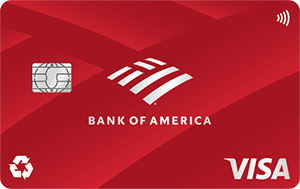
| Annual Fee | $0 |
| Rewards Rate | Up to 6% Cash Back |
| Sign Up Bonus | No signup bonus offered |



Citi® Secured Mastercard®

| Annual Fee | $0 |
| Rewards Rate | No rewards |
| Sign Up Bonus | No signup bonus |
| Network | Mastercard |
Credit One Bank Platinum X5 Visa Signature® Card

| Annual Fee | $95 |
| Rewards Rate | 1%-5% Cash Back |
| Network | Visa |
Credit One Bank Platinum Visa for Rebuilding Credit

| Annual Fee | $99 |
| Rewards Rate | 1% Cash Back |
| Sign Up Bonus | No signup bonus |
| Network | Visa |
Credit One Bank Platinum Rewards Visa Card

| Annual Fee | $39 |
| Rewards Rate | 1% Cash Back |
| Network | Visa |
Credit One Bank Vegas Golden Knights Credit Card

| Rewards Rate | 1% Cash Back |
| Sign Up Bonus | No signup bonus |
Credit One Bank Platinum Rewards Visa with No Annual Fee

| Annual Fee | $0 |
| Rewards Rate | 1% Cash Back |
| Sign Up Bonus | No signup bonus |
| Network | Visa |
Resources
What Does a Fair Credit Score Mean?
Understanding the 'Fair' Credit Range
A 'fair' credit score, typically defined by the FICO model as a score between 670 and 739, places you in the average range for American consumers. It signals to lenders that you are a responsible borrower but may have a few minor blemishes on your credit history, such as a past late payment or relatively high credit card balances. While not considered a poor score, it doesn't unlock the best interest rates and premium perks reserved for those with good or excellent credit.
How Lenders View Applicants with Fair Credit
When you apply for a loan or credit card with a fair score, lenders see you as a lower risk than someone with a poor score, but not as reliable as someone in the top tiers. This means you are likely to be approved for many credit products, but the terms might not be as favorable. You can think of a fair score as a stepping stone; you have access to credit, but there's room for improvement that will save you significant money in the long run.
Here’s what you can generally expect with a fair credit score:
- Credit Card Approvals: You can qualify for a decent selection of cards, including some unsecured cards and even some with basic rewards programs. However, you likely won't be approved for premium travel rewards cards.
- Interest Rates: Expect higher Annual Percentage Rates (APRs) on credit cards and loans compared to applicants with good credit. This is how lenders offset the perceived increase in risk.
- Loan Options: You can often secure auto loans and mortgages, but you may be required to make a larger down payment or pay a higher interest rate.
Improving your score from 'fair' to 'good' is an achievable goal. Focusing on consistently paying your bills on time, keeping your credit card balances low (ideally below 30% of your limit), and avoiding unnecessary new credit applications can steadily boost your score over time.
How to Choose a Card with Fair Credit
Having a fair credit score, typically in the 630-689 range, puts you in a unique position. While you may not qualify for the most premium rewards cards, you have access to some great options designed to help you build your credit history and move into a better score range. The key is to look beyond flashy sign-up bonuses and focus on the features that will provide long-term value.
When comparing cards, it’s crucial to weigh the costs against the benefits. Many cards for fair credit come with an annual fee, so you'll want to ensure the card's features justify the cost. Pay close attention to the Annual Percentage Rate (APR), as it will likely be higher than on cards for excellent credit. The best strategy is to always pay your balance in full each month to avoid interest charges altogether.
Key Features to Compare
To find the right fit, focus on these core elements:
- Credit Bureau Reporting: The most important feature is that the card reports your payment history to all three major credit bureaus (Equifax, Experian, and TransUnion). This is how you build a positive credit history.
- Annual Fee: Look for cards with a low or no annual fee. If a card has a fee, check if it offers benefits like a higher credit limit or rewards that offset the cost.
- Credit Limit Increases: Some cards will automatically review your account after several months of on-time payments for a potential credit limit increase, which can help lower your credit utilization and boost your score.
- Secured vs. Unsecured: An unsecured card doesn't require a deposit, but may have higher fees. A secured card requires a refundable security deposit that usually equals your credit limit, making it a powerful and often lower-cost tool for building credit.
Ultimately, the best credit card for someone with fair credit is one that is affordable and helps you practice good financial habits. By making on-time payments and keeping your balance low, you can use your new card as a stepping stone to a stronger financial future and even better credit opportunities.
Secured vs. Unsecured Cards for Fair Credit
Unsecured vs. Secured: What's the Difference?
When you have a fair credit score (typically in the 630-689 range), you're in a unique position. You can often qualify for more than just basic starter cards, but the top-tier rewards cards might still be out of reach. The two primary options you'll encounter are unsecured and secured credit cards. The main difference is straightforward: a secured card requires a refundable security deposit to open the account, while an unsecured card does not.
The Case for Unsecured Cards
Unsecured cards are what most people think of as "regular" credit cards. For those with fair credit, these cards offer a path to building credit without needing to put down cash upfront.
- Pros: No security deposit means your cash stays in your pocket. Many unsecured cards for fair credit even offer modest rewards, like cash back on certain purchases.
- Cons: Approval isn't guaranteed, and they often come with higher annual fees or interest rates (APRs) to offset the lender's risk.
The Power of Secured Cards
A secured credit card is an excellent tool specifically designed for building or rebuilding credit. You provide a refundable cash deposit (e.g., $200) which typically becomes your credit limit. This deposit protects the lender, making it much easier for you to get approved.
- Pros: High approval odds make them a reliable choice. They report to all three major credit bureaus, helping you build a positive payment history.
- Cons: The upfront deposit can be a hurdle for some. These cards rarely offer rewards and may have annual fees.
Which Card Should You Choose?
Your choice depends on your financial situation and primary goal. If your main objective is to improve your credit score and you can afford the deposit, a secured card is a nearly surefire way to do so. If you'd rather avoid a deposit and think you can get approved, an unsecured card offers more flexibility.
| Feature | Unsecured Card (Fair Credit) | Secured Card |
|---|---|---|
| Security Deposit | Not required | Required (refundable) |
| Approval Odds | Moderate | Very High |
| Primary Goal | Spending flexibility, credit building | Credit building/rebuilding |
| Rewards/Perks | Sometimes available | Rarely available |
Regardless of which you choose, the key to improving your credit is the same: always pay your bill on time and keep your credit utilization low. Consistent, responsible use will help you graduate to even better card offers in the future.
5 Smart Ways to Build Your Credit Score
Congratulations on your new credit card! It's more than just a convenient way to pay; it's a powerful tool for building a stronger financial future. Using your card responsibly is one of the most effective ways to move your credit score from 'fair' to 'good.' The key is to demonstrate to lenders that you are a reliable borrower. With a few consistent habits, you can make significant progress in just a few months.
Build Your Score with These Habits
Ready to get started? Here are five simple, actionable ways to use your new card to boost your credit score:
- Always Pay on Time: Your payment history is the single most important factor in your credit score. Even one late payment can have a negative impact. The easiest way to avoid this is to set up automatic payments for at least the minimum amount due. You can always pay more, but this ensures you're never late.
- Keep Your Balance Low: Aim to use less than 30% of your available credit limit. This is called your credit utilization ratio. For example, if your credit limit is $1,000, try to keep your balance below $300. Lenders see low utilization as a sign of responsible credit management.
- Use Your Card Regularly for Small Purchases: Don't just get the card and hide it in a drawer. Lenders need to see activity to report to the credit bureaus. Use it for a small, recurring bill like a streaming service or a cup of coffee each week, and make sure to pay it off in full each month. This shows you can manage credit without accumulating debt.
- Don't Apply for Too Much Credit at Once: Each time you apply for a new credit card or loan, it results in a 'hard inquiry' on your credit report, which can temporarily dip your score. Space out your applications to show financial stability.
- Monitor Your Progress: Check your credit report regularly from the major bureaus (Equifax, Experian, and TransUnion) to track your progress and check for any errors. Many credit card issuers also provide free access to your credit score, making it easy to see how your good habits are paying off.
Can I Earn Rewards with Fair Credit?
Yes, You Can Earn Rewards!
Having a fair credit score (typically a FICO score between 580 and 669) doesn't lock you out of the rewards game. While the most luxurious travel cards with high-end perks are usually reserved for those with good to excellent credit, there is a solid selection of credit cards designed specifically for you. These cards offer a fantastic pathway to earn valuable rewards on your everyday spending, all while you continue to build a stronger credit history.
What Kind of Rewards Can You Expect?
For fair credit, the most common and valuable rewards come in the form of straightforward cashback. Instead of complex points systems, these cards typically offer:
- Flat-Rate Cashback: Expect to find cards offering a consistent 1% to 1.5% cashback on every purchase you make, with no categories to track.
- Bonus Categories: Some cards may offer slightly higher rewards (e.g., 2% or 3%) on specific spending categories like gas, groceries, or dining.
- Welcome Bonuses: While smaller than those on premium cards, some cards for fair credit offer a sign-up bonus after you spend a certain amount in the first few months.
Maximizing Your Rewards and Your Credit Score
The key to making a rewards card work for you is to use it responsibly. To get the most value, prioritize cards with no annual fee, as this ensures your rewards aren't diminished by a yearly charge. Most importantly, always aim to pay your balance in full and on time each month. This helps you avoid high interest rates that can easily negate any cashback you've earned. By using your card wisely, you not only enjoy the rewards but also demonstrate positive credit behavior that can boost your score, opening the door to even better card offers in the future.
Graduating to a Better Credit Card
Having a credit card designed for fair credit is a fantastic first step toward building a stronger financial future. Think of this card not just as a way to make purchases, but as a powerful tool for improving your credit score. By using it responsibly, you're actively demonstrating to lenders that you can manage credit wisely, paving the way for cards with better rewards, lower interest rates, and more valuable perks.
Your Game Plan for a Better Score
The strategy for graduating to a better card is all about consistency and smart habits. Here’s how to use your current card to boost your creditworthiness:
- Always Pay on Time: Payment history is the single most important factor in your credit score. Set up autopay or reminders to ensure you never miss a due date.
- Keep Your Balance Low: Aim to use less than 30% of your available credit limit. For example, if your limit is $1,000, try to keep your balance below $300. This shows lenders you aren't over-reliant on debt.
- Monitor Your Progress: Check your credit score regularly (many card issuers offer this for free) to see how your responsible habits are paying off.
- Be Patient: Building a positive credit history takes time. Consistently following these steps for six to twelve months can lead to significant score improvements.
When to Upgrade and What to Expect
Once you see your credit score climb into the 'good' or 'excellent' range (typically 670 and above), it's time to start looking for your next card. You might even start receiving pre-approved offers in the mail, which is a great sign. The difference between your starter card and a prime rewards card can be substantial.
| Feature | Fair Credit Card | Good/Excellent Credit Card |
|---|---|---|
| APR | Typically Higher (20%+) | Lower, often with 0% intro offers |
| Rewards | Limited or no rewards | Generous cash back, points, or miles |
| Credit Limit | Lower (e.g., $500 - $1,500) | Higher (e.g., $5,000+) |
| Perks | Basic fraud protection | Travel insurance, purchase protection |
| Annual Fee | May have one | Often available with no annual fee |
By using your current card as a stepping stone, you're not just making purchases; you're making an investment in your financial future. Stick to the plan, and you'll soon be unlocking better rates and premium rewards.
Our Methodology
How we pick the best credit cards for fair credit
Our primary goal is to identify credit cards that offer the best opportunity for individuals with fair credit to improve their financial standing. To do this, our team evaluates and scores each card based on a range of factors that matter most to credit-builders. We place the greatest emphasis on features that promote responsible use and minimize costs. This means we weight a card's ongoing APR and its fee structure—including any annual fees—very heavily. Equally important is the issuer's reputation, as we prioritize cards from trusted institutions that reliably report your payment history to all three major credit bureaus, which is essential for building a stronger score.
While features like rewards programs and sign-up bonuses are factored into our evaluation, they are considered less critical than the fundamental tools for financial growth. For this category, we believe a card's long-term value in helping you manage debt and improve your credit profile is far more important than short-term perks. Our overall rating assesses the complete package, ensuring our top picks provide a clear and reliable path toward a stronger financial future. Our rankings are determined solely by our editorial team, and compensation from our partners does not influence our recommendations.