Best Credit Cards for Bad Credit
These credit cards are designed for people with poor or limited credit history. We've selected cards that offer reasonable fees, opportunities to build credit, and manageable credit lines. Our recommendations focus on accessibility and helping you improve your credit score over time. These cards can be a stepping stone to better financial products.
Our Picks
Discover it Secured Cash Back

| Annual Fee | $0 |
| Rewards Rate | 5% and 1% cash back. |
| Sign Up Bonus | Unlimited dollar-for-dollar cash back match. |
| Network | Discover |
Bank of America® Customized Cash Rewards Secured Credit Card
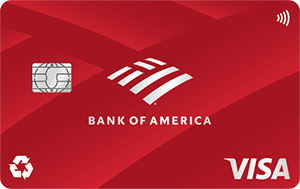
| Annual Fee | $0 |
| Rewards Rate | Up to 6% Cash Back |
| Sign Up Bonus | No signup bonus offered |
Bank of America® Travel Rewards Secured Credit Card
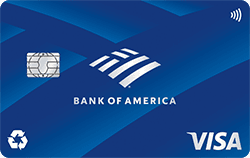
| Annual Fee | $0 |
| Rewards Rate | 1.5x Points on all purchases |
| Network | Visa |
Bank of America® Unlimited Cash Rewards Secured Credit Card
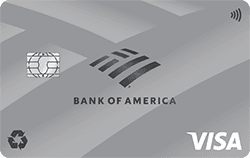
| Annual Fee | $0 |
| Rewards Rate | Unlimited 1.5% Cash Back. |
| Sign Up Bonus | Not eligible for signup bonus. |

BankAmericard® Secured Credit Card
| Annual Fee | $0 |
| Rewards Rate | No rewards program offered |
| Sign Up Bonus | No signup bonus offered |
Citi® Secured Mastercard®
| Annual Fee | $0 |
| Rewards Rate | No rewards |
| Sign Up Bonus | No signup bonus |
| Network | Mastercard |
Credit One Bank Secured Card

| Annual Fee | $0 |
| Rewards Rate | 1% Cash Back |
| Sign Up Bonus | No signup bonus |
Credit One Bank Platinum Visa for Rebuilding Credit

| Annual Fee | $99 |
| Rewards Rate | 1% Cash Back |
| Sign Up Bonus | No signup bonus |
| Network | Visa |
Resources
Secured Cards: Your Path to Better Credit
A Smart Tool for Building Credit
A secured credit card is a powerful financial tool designed specifically for individuals looking to build or rebuild their credit history. Unlike traditional (unsecured) credit cards, a secured card requires an upfront, refundable security deposit to open the account. This deposit minimizes the risk for the card issuer and typically sets your credit limit. For example, a $300 deposit will usually grant you a $300 credit limit.
The security deposit is the key feature that makes these cards accessible. It acts as collateral, but it's not used to pay your monthly bill. You are still responsible for making on-time payments each month, just like with any other credit card. The great news is that your deposit is fully refundable. When you close the account in good standing or the lender graduates you to an unsecured card, you get your money back.
How Secured Cards Improve Your Score
The primary purpose of a secured card is to establish a positive payment history. Card issuers report your activity to the three major credit bureaus (Equifax, Experian, and TransUnion). To make the most of it, follow these simple rules:
- Pay on time, every time: This is the most significant factor in your credit score.
- Keep your balance low: Aim to use less than 30% of your available credit limit.
- Use the card regularly: Make small, manageable purchases each month to show activity.
By using your secured card responsibly over several months, you demonstrate your creditworthiness to lenders. This can significantly improve your credit score, opening the door to better financial products like unsecured cards, auto loans, and mortgages in the future.
How to Rebuild Your Credit With a Card
Getting approved for a new credit card is a fantastic step toward rebuilding your financial standing. But the real work begins now. Simply having the card isn't enough; how you manage it is what will ultimately improve your credit score. The two most important habits to build are making on-time payments and keeping your credit utilization low. Mastering these will show lenders that you can handle credit responsibly.
Pay On Time, Every Time
Your payment history is the single most significant factor influencing your credit score, making up about 35% of it. A single late payment can set back your progress. The easiest way to avoid this is to set up automatic payments for at least the minimum amount due. An even better habit is to pay your balance in full each month to avoid interest charges. Treat your credit card due date with the same importance as your rent or mortgage payment.
Keep Your Balance Low
Credit utilization refers to the amount of credit you're using compared to your total credit limit. For the best results, you should aim to keep this ratio below 30%, and ideally below 10%. For example, if you have a card with a $500 limit, you should try to keep your statement balance under $150 (30%).
A great strategy for rebuilding credit is to:
- Make a small, planned purchase each month (like a streaming subscription or a tank of gas).
- Wait for the statement to generate, which reports your activity to the credit bureaus.
- Pay the bill in full and on time.
This simple process demonstrates consistent, responsible use without running up a high balance. By being patient and diligent, you can use your new credit card as a powerful tool to build a healthier financial future.
Secured vs. Unsecured Cards for Bad Credit
When you have bad credit, rebuilding your financial standing is a top priority, and a credit card can be a powerful tool. The main choice you'll face is between a secured and an unsecured card. While both can help improve your credit score by reporting your payment history to the major credit bureaus, they work very differently.
Understanding the Key Differences
A secured credit card is designed for building credit and is easier to get approved for. It requires a refundable cash deposit, which typically becomes your credit limit. For example, a $300 deposit gets you a $300 credit limit. This deposit protects the lender, making them more willing to offer you a card. In contrast, an unsecured card for bad credit does not require a deposit, but it's much harder to qualify for. Lenders take on more risk, so these cards often come with high fees and very high interest rates.
Which Card is Right for You?
For most people looking to rebuild, a secured card is the superior choice. It forces a level of discipline and is significantly more cost-effective. The deposit is refundable, whereas the high fees on an unsecured card are a permanent cost. Unsecured cards for bad credit can trap you in a cycle of debt with predatory fees and sky-high APRs.
Here's a quick comparison:
| Feature | Secured Card | Unsecured Card (for Bad Credit) |
|---|---|---|
| Security Deposit | Required (e.g., $200-$500) | Not required |
| Approval Odds | Very High | Very Low |
| Annual Fee | Often $0 to $49 | Often $75+ |
| Other Fees | Minimal | High (monthly maintenance, processing fees) |
| Primary Goal | Credit Building | Providing access to credit |
Ultimately, the goal is to use your card responsibly—by making on-time payments and keeping your balance low—to improve your credit score. After 6-12 months of positive history with a secured card, you can often graduate to a traditional unsecured card with better terms and get your deposit back.
What Fees Come With Cards for Poor Credit?
Rebuilding your credit is a smart financial goal, and a credit card designed for those with poor credit can be a great tool to help you get there. However, it's crucial to understand that these cards often operate differently from standard credit cards. To offset the risk of lending to someone with a rocky credit history, issuers frequently charge a variety of fees that can quickly add up and make the card very expensive.
Common Fees to Watch For
Before you apply, carefully review the card's terms and conditions for these common charges. Lenders are required to disclose them in a table, often called a "Schumer Box."
- Annual Fee: Many subprime cards charge a fee every year just to keep the account open. This can range from modest to over $100.
- Account Setup or Processing Fee: This is a one-time fee charged when you first open the account. It's often deducted directly from your initial credit limit, leaving you with less available credit to start.
- Monthly Maintenance Fee: Some cards charge a recurring monthly fee in addition to, or instead of, an annual fee. A $10 monthly fee, for example, adds up to $120 per year.
- High APR: While not a fee, the Annual Percentage Rate (APR) on these cards is typically very high. Carrying a balance from month to month will result in significant interest charges.
Being aware of these potential costs is the first step toward making a smart choice. Calculate the total yearly cost of any card you're considering (annual fee + monthly fees) to determine if it's a worthwhile tool for your credit-building journey. Often, a secured credit card—which requires a refundable security deposit—is a more affordable alternative with fewer fees.
How to Graduate to an Unsecured Card
Moving Up in Your Credit Journey
Using a secured credit card is an excellent way to build or rebuild your credit. The ultimate goal, however, is often to "graduate" to an unsecured card—one that doesn't require a cash deposit. This transition is a major milestone, signaling to lenders that you've established responsible credit habits. Graduating opens the door to cards with better rewards programs, higher credit limits, and more valuable perks.
What Card Issuers Look For
Before upgrading you to an unsecured card, issuers want to see a consistent track record of reliability. While specific criteria vary by lender, they generally focus on a few key factors to determine if you're ready for more credit without a security deposit.
Key qualifications include:
- A History of On-Time Payments: This is the most important factor. Lenders typically want to see at least 6 to 12 months of consistent, on-time payments.
- Low Credit Utilization: Keeping your balance low relative to your credit limit (ideally below 30%) shows you can manage credit responsibly.
- An Improved Credit Score: Your responsible use of the secured card should lead to an increase in your credit scores, which is a primary indicator lenders check.
The Graduation Process
There are two main paths to graduating. Some issuers will automatically review your account periodically. If you meet their internal criteria for responsible use, they may automatically convert your secured card to an unsecured one and refund your security deposit. You'll often receive a notification by mail or email when this happens.
If your issuer doesn't offer automatic upgrades, you can take matters into your own hands once your credit score has improved. You can apply for a new, unsecured credit card from any issuer. Once you are approved and have your new card, you can close your old secured account. The issuer will then refund your security deposit as a check or direct deposit, as long as you've paid off any remaining balance.
No Credit Check Cards: Too Good to Be True?
When you're trying to build or rebuild your credit, the promise of a credit card with 'no credit check' and 'guaranteed approval' can sound like the perfect solution. However, it's crucial to approach these offers with caution. Most legitimate credit card issuers are required to assess an applicant's ability to pay, which almost always involves a credit check. Offers that skip this step are often not traditional credit cards and may come from predatory lenders.
These so-called 'no credit check' cards can have major downsides, including extremely high upfront fees, annual fees, and interest rates. In many cases, they are actually prepaid debit cards or merchandise cards that do little to nothing to help your credit score, as they may not report your payment history to the major credit bureaus (Equifax, Experian, and TransUnion). The goal is to build a positive credit history, and these products often fail to help you do that while costing you significant money.
Safer Alternatives for Building Credit
Instead of searching for risky 'no credit check' products, consider these proven and safer alternatives designed to help you establish a positive credit history from the ground up:
- Secured Credit Cards: This is one of the best tools for building credit. You provide a refundable cash deposit (e.g., $200) which typically becomes your credit limit. You use it like a regular credit card, and your responsible payments are reported to the credit bureaus. Many issuers will even upgrade you to an unsecured card and refund your deposit after a period of on-time payments.
- Become an Authorized User: If you have a trusted family member or friend with a good credit history, they can add you as an authorized user to their credit card account. You'll get your own card, and their positive account history will appear on your credit report, which can give your score a boost.
- Credit-Builder Loans: Offered by many credit unions and some banks, these small loans are designed specifically to help you build credit. The loan amount is held in a savings account while you make regular payments. Once you've paid it off, the funds are released to you, and you'll have a history of successful payments on your credit report.
Our Methodology
How we pick the best credit cards for poor credit
When evaluating credit cards for people with poor credit, our primary focus is on accessibility and affordability. We analyze each card across several factors, but we place the most significant weight on the ongoing annual percentage rate (APR). For those building or rebuilding credit, carrying a balance is sometimes unavoidable, making a lower interest rate essential to managing costs. We also look very closely at a card's fee structure and the issuer's reputation, prioritizing cards with low or no annual fees and a track record of fair treatment for its customers. Features like rewards programs and sign-up bonuses are considered, but they carry far less importance than the core costs and credit-building potential of the card.
Our ratings for these individual factors are then combined to determine a card's overall star rating, giving you a clear, at-a-glance comparison. This comprehensive process is designed to help you find a card that not only approves you but also serves as a reliable and cost-effective tool for improving your credit score over time. Our rankings are determined solely by our editorial team. While we may receive compensation from some card issuers when you apply through our links, this does not influence our objective analysis, reviews, or recommendations.