Best Secured Credit Cards
Secured credit cards are designed for consumers looking to build or rebuild credit by providing a refundable security deposit. These cards offer an opportunity to establish credit history with responsible use, often with lower fees and simple terms. While rewards may be limited, they provide a vital stepping stone toward better credit products.
Our Picks
Discover it Secured Cash Back

| Annual Fee | $0 |
| Rewards Rate | 5% and 1% cash back. |
| Sign Up Bonus | Unlimited dollar-for-dollar cash back match. |
| Network | Discover |
Bank of America® Customized Cash Rewards Secured Credit Card
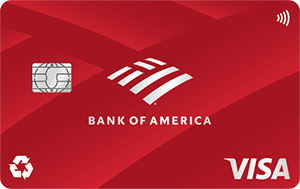
| Annual Fee | $0 |
| Rewards Rate | Up to 6% Cash Back |
| Sign Up Bonus | No signup bonus offered |
Bank of America® Travel Rewards Secured Credit Card
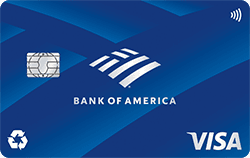
| Annual Fee | $0 |
| Rewards Rate | 1.5x Points on all purchases |
| Network | Visa |
Bank of America® Unlimited Cash Rewards Secured Credit Card
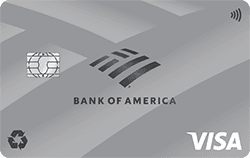
| Annual Fee | $0 |
| Rewards Rate | Unlimited 1.5% Cash Back. |
| Sign Up Bonus | Not eligible for signup bonus. |
TD Cash Secured Credit Card

| Annual Fee | $29 |
| Rewards Rate | 1%-3% Cash Back |
| Sign Up Bonus | No signup bonus |
| Network | Visa |
Credit One Bank Secured Card

| Annual Fee | $0 |
| Rewards Rate | 1% Cash Back |
| Sign Up Bonus | No signup bonus |
BankAmericard® Secured Credit Card
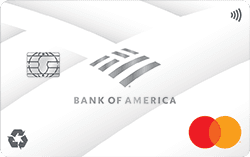
| Annual Fee | $0 |
| Rewards Rate | No rewards program offered |
| Sign Up Bonus | No signup bonus offered |
Citi® Secured Mastercard®
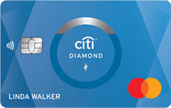
| Annual Fee | $0 |
| Rewards Rate | No rewards |
| Sign Up Bonus | No signup bonus |
| Network | Mastercard |
Resources
Secured Credit Cards: A Path to Better Credit
A secured credit card is a powerful tool designed for individuals looking to build or rebuild their credit history. Unlike traditional unsecured cards, a secured card requires a refundable cash deposit to open the account. This deposit acts as collateral for the credit issuer, reducing their risk and making it much easier for people with limited or poor credit to get approved. Your credit limit is typically equal to the amount of your deposit, giving you a clear spending boundary as you start your credit journey.
How a Secured Card Works
Once you've paid your deposit and received your card, it functions just like any other credit card. You can use it to make purchases online and in stores. The most important part of using a secured card is managing it responsibly. Here’s what you need to do:
- Make On-Time Payments: Pay at least the minimum amount due by the deadline every single month. Paying in full is even better, as it helps you avoid interest charges.
- Keep Balances Low: Try to use less than 30% of your available credit limit. This shows lenders you aren't over-reliant on debt.
- Monitor Your Account: Regularly check your statements for accuracy and track your spending.
Card issuers report your payment activity to the three major credit bureaus (Experian, Equifax, and TransUnion). Consistent, positive payment history is the single most important factor in building a good credit score.
Secured vs. Unsecured Cards
After several months of responsible use (often 6-12 months), many card issuers will review your account. They may offer to upgrade you to an unsecured card and refund your initial security deposit. This is a key milestone that shows your creditworthiness has improved. Here’s a simple breakdown of the difference:
| Feature | Secured Credit Card | Unsecured Credit Card |
|---|---|---|
| Requirement | Refundable cash deposit | Good credit history |
| Credit Limit | Usually equal to the deposit | Based on income and credit score |
| Primary Goal | Build or rebuild credit | Access credit and earn rewards |
| Approval Odds | High, even with poor credit | Difficult with poor or no credit |
How to Choose the Best Secured Credit Card
A secured credit card is one of the most effective tools for building or rebuilding your credit. Unlike traditional cards, they require a refundable cash deposit that typically sets your credit limit. This deposit lowers the risk for the issuer, making it easier for people with limited or damaged credit to get approved. As you use the card responsibly, your on-time payments are reported to the major credit bureaus, which helps establish a positive payment history and can improve your credit score.
When you're ready to compare secured cards, it's important to look beyond just the approval. The right card can save you money and create a smooth path toward better credit products. Here’s a breakdown of the key features to evaluate:
- Security Deposit: Most cards require a minimum deposit between $200 and $500. Find a card with a deposit amount you can comfortably afford. Some issuers also allow you to deposit more for a higher credit limit.
- Fees: The ideal secured card has a $0 annual fee. Be wary of cards that charge annual fees, application fees, or monthly maintenance fees, as these costs can add up quickly and offer little benefit.
- Interest Rate (APR): Secured cards often carry high APRs. The best strategy is to always pay your balance in full each month to avoid interest charges entirely. However, a lower APR can be a good tie-breaker between two otherwise similar cards.
- Graduation Potential: This is perhaps the most important long-term feature. "Graduating" means your issuer converts your account to an unsecured card and refunds your deposit. Look for card issuers that automatically review your account for an upgrade after several months of on-time payments, as this is a clear sign that you're on the right track.
How to Build Credit Fast With a Secured Card
Turn Your Secured Card into a Credit-Building Machine
A secured credit card is one of the most powerful tools available for building or rebuilding your credit history. It works just like a traditional credit card, but it requires a refundable security deposit that typically determines your credit limit. This deposit minimizes the lender's risk, making it much easier to get approved. The key isn't just having the card; it's using it strategically to demonstrate financial responsibility and boost your credit score.
To see the fastest results, focus on the two most heavily weighted factors in your FICO® Score:
- Pay On Time, Every Time: Your payment history is the single most important factor, accounting for 35% of your score. A single late payment can cause a significant drop. The best strategy is to set up automatic payments for at least the minimum amount due to ensure you are never late.
- Keep Your Balance Low: The amount of debt you carry, known as your credit utilization ratio, makes up another 30% of your score. Aim to keep your statement balance below 30% of your credit limit. For example, on a card with a $300 limit, you should keep your balance under $90. For even better results, aim for under 10%.
Before you apply, make sure the card issuer reports your payment activity to all three major credit bureaus—Experian, Equifax, and TransUnion. If they don't, your responsible habits won't help your credit reports. Also, look for a secured card that offers the ability to "graduate" to a traditional, unsecured card. After several months of consistent, on-time payments, the issuer may review your account, refund your deposit, and convert your card. This allows you to keep the same account open, which helps build the length of your credit history—another important scoring factor.
How to Graduate From a Secured Card
A secured credit card is a fantastic tool for building or rebuilding your credit history. By requiring a cash deposit, it allows you to prove your creditworthiness over time. The ultimate goal for most secured cardholders is to "graduate" to a traditional, unsecured credit card. This is a major milestone that shows lenders you're a responsible borrower, and it unlocks better card benefits and higher credit limits.
What Do Card Issuers Look For?
Card issuers want to see a consistent track record of responsible credit use before upgrading your account. While policies vary between banks, they generally look for the same positive behaviors. The review process, which can happen automatically after a set period (often 6-12 months) or upon your request, typically focuses on a few key factors:
- On-Time Payment History: This is the most crucial factor. A history of consistent, on-time payments is non-negotiable.
- Low Credit Utilization: Regularly using less than 30% of your available credit shows that you aren't reliant on debt.
- Account Age: Most issuers want to see at least six months of responsible account management before considering an upgrade.
- Overall Credit Health: Lenders will also look at your full credit report to ensure your financial standing has improved.
Once you meet the criteria and your account is upgraded, your card will function just like any other unsecured card. The best part? Your original security deposit will be refunded to you, typically as a statement credit or a check in the mail. You may also receive a credit limit increase, as the limit is no longer tied to your deposit. If you're unsure about your issuer's policy, don't hesitate to call the number on the back of your card and ask about their graduation program.
Secured vs. Prepaid Cards: Which Builds Credit?
On the surface, secured credit cards and prepaid debit cards can seem similar. Both typically require you to provide money upfront before you can start using them. However, they serve fundamentally different purposes, especially when it comes to your financial health. The most critical distinction is this: a secured card is a tool designed to build or rebuild your credit history, while a prepaid card is simply a way to spend your own money.
Secured Credit Cards: Building Your Credit
A secured credit card is a true credit card. When you open an account, you provide a refundable security deposit, which usually determines your credit limit. For example, a $300 deposit typically gets you a $300 credit limit. You then use the card to make purchases and pay a bill each month, just like a traditional credit card. The key benefit is that issuers report your payment activity to the major credit bureaus (Experian, Equifax, and TransUnion). Consistent, on-time payments help establish a positive payment history, which is a major factor in calculating your credit score.
Prepaid Debit Cards: A Spending Tool
A prepaid card, on the other hand, functions more like a gift card or a debit card not linked to a bank account. You load your own money onto the card and can only spend the amount you've loaded. Because you aren't borrowing money from a lender, there is no credit line and no bill to pay at the end of the month. Consequently, your usage is not reported to the credit bureaus, and it has no impact on your credit score.
Which Card Should You Choose?
Choosing between these two depends entirely on your financial goals. If you're looking to establish credit for the first time or repair a damaged credit score, a secured card is the clear winner. If you simply need a tool for budgeting or making electronic payments without using a bank account, a prepaid card can be a useful option.
Here’s a quick breakdown:
| Feature | Secured Credit Card | Prepaid Debit Card |
|---|---|---|
| Builds Credit? | Yes | No |
| How it Works | Borrow against a credit limit | Spend your own pre-loaded funds |
| Reports to Bureaus? | Yes | No |
| Primary Goal | Establish or rebuild credit history | Budgeting or making payments |
Your Secured Card Deposit Questions Answered
A secured credit card is a fantastic tool for building or rebuilding credit, and the security deposit is the key to making it work. But how does it all work? Let's break down the most common questions about the deposit you'll make.
How much should my security deposit be?
Your security deposit typically determines your credit limit. If you deposit $300, your credit limit will be $300. Most card issuers require a minimum deposit, often starting around $200. The right amount for you depends on your budget and how much of a credit line you need. A higher limit can help keep your credit utilization low, which is a key factor in your credit score. Consider your spending habits and deposit an amount that allows you to make your usual purchases without maxing out the card.
Will my deposit earn interest?
In most cases, no. Your security deposit is held by the card issuer as collateral, not as a typical savings account. Because its primary purpose is to protect the lender in case you default on your payments, it generally does not accrue interest while it's being held. Think of it as a refundable entry fee to the world of credit building.
How do I get my deposit back?
There are two primary ways to get your security deposit returned:
- Graduate to an Unsecured Card: After you demonstrate responsible use of the card over a period of time (usually 6-12 months), many issuers will automatically review your account. If you've made all your payments on time, they may choose to "graduate" you to a traditional, unsecured credit card and refund your original deposit.
- Close the Account: If you decide to close your secured card account, your deposit will be refunded to you, minus any outstanding balance, fees, or interest you owe. To ensure a full refund, make sure your balance is paid in full before you close the account.
Our Methodology
How we pick the best secured credit cards
To determine the best secured credit cards, we evaluate each card across a range of important features. Because the primary goal of a secured card is to build or rebuild credit affordably, we place the most emphasis on low costs. This means a card’s fees, especially the annual fee, are the most heavily weighted factor in our analysis. We also give significant weight to the issuer's reputation, prioritizing cards from trusted institutions that report to all three major credit bureaus and offer a clear path to graduating to an unsecured card. Other important considerations include the card's ongoing rewards structure, its regular APR, and the overall value it provides.
Our goal is to highlight cards that offer a responsible, low-cost pathway to a stronger credit profile. Factors like sign-up bonuses are considered but carry less weight, as they are uncommon in this category and not the main objective for most users. Our ratings are based on independent, objective analysis by our editorial team. Compensation from our partners does not influence our recommendations, reviews, or any other content on this site.