Best 0% Intro APR Credit Cards
Credit cards with a 0% introductory APR can help you manage big purchases or pay off existing balances without interest for months. These cards are ideal if you need breathing room from interest charges. Many of the top options also offer solid rewards or no annual fee, making them a smart short-term and long-term choice. Just be sure to pay off your balance before the intro period ends.
Our Picks
Discover it Cash Back Credit Card

| Annual Fee | $0 |
| Rewards Rate | 5% rotating, 1% cash back. |
| Sign Up Bonus | Unlimited dollar-for-dollar cash back match. |
| Network | Discover |
NHL® Discover it Credit Card

| Annual Fee | $0 |
| Rewards Rate | 5% and 1% cash back |
| Sign Up Bonus | Unlimited dollar-for-dollar cash back match |
| Network | Discover |
Ink Business Cash Credit Card
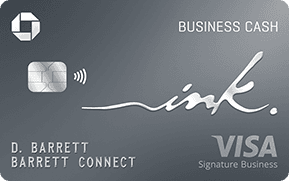
| Annual Fee | $0 |
| Rewards Rate | 1%-5% cash back |
| Sign Up Bonus | $750 cash back |
Eagle Adapt™ Credit Card

| Annual Fee | $0 |
| Rewards Rate | 1%-3% Cash Back |
| Sign Up Bonus | Earn $200 reward bonus |
| Network | Visa |
Discover it Student Chrome
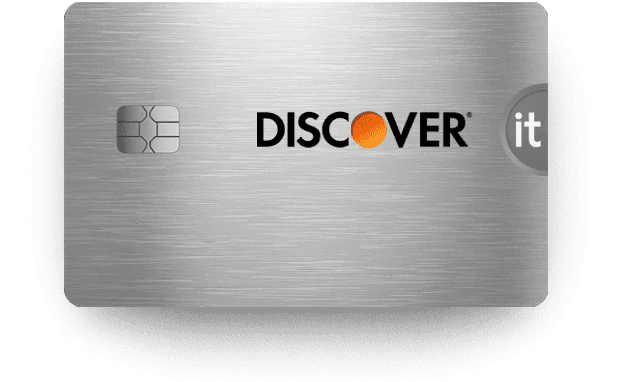
| Annual Fee | $0 |
| Rewards Rate | 2% cash back gas/restaurants, 1% everything |
| Sign Up Bonus | Unlimited dollar-for-dollar cash back match |
| Network | Discover |
Discover it Student Cash Back

| Annual Fee | $0 |
| Rewards Rate | 1%-5% Cash Back |
| Sign Up Bonus | Unlimited dollar-for-dollar cash back match |
| Network | Discover |
Discover it Chrome

| Annual Fee | $0 |
| Rewards Rate | 2% cash back; 1% on others |
| Sign Up Bonus | Unlimited dollar-for-dollar cash back match |
| Network | Discover |
Chase Freedom Unlimited Credit Card
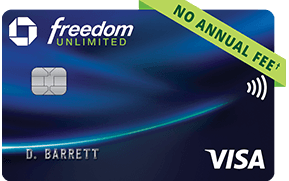
| Annual Fee | $0 |
| Rewards Rate | 1.5%-5% Cash Back |
| Sign Up Bonus | $200 bonus |
Citi Strata® Card

| Annual Fee | $0 |
| Rewards Rate | 1x-5x Points |
| Sign Up Bonus | 20,000 bonus points |
| Network | Mastercard |
Bank of America Customized Cash Rewards Credit Card
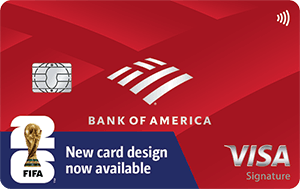
| Annual Fee | $0 |
| Rewards Rate | 1%-6% Cash Back |
| Sign Up Bonus | $200 cash rewards bonus |
Resources
How Do 0% Intro APR Cards Work?
A 0% introductory APR credit card offers a powerful way to manage your finances, whether you're planning a large purchase or looking to pay down existing debt. This promotional offer means the credit card issuer will not charge you any interest on certain transactions for a specific period, which could range from 12 to 21 months. It's essentially an interest-free loan, but it's crucial to understand the terms before you apply.
For Purchases & Balance Transfers
These offers typically apply to new purchases, balance transfers, or sometimes both. A 0% intro APR on purchases allows you to buy a big-ticket item—like a new laptop or a vacation package—and pay it off over several months without accruing any interest charges. A 0% intro APR on balance transfers is a fantastic tool for debt consolidation. You can move high-interest debt from other credit cards to the new card and pay it down interest-free. Just be aware that most balance transfers come with a one-time fee, usually 3% to 5% of the amount transferred.
What Happens When the Intro Period Ends?
The most important thing to remember is that the 0% rate is temporary. Once the introductory period expires, any remaining balance on your card will be subject to the card's regular variable APR. This rate is often significantly higher and will apply to the leftover balance as well as any new purchases. The key to making these cards work for you is to have a solid plan to pay off your entire balance before the promotional period ends.
To make the most of a 0% intro APR offer, always keep these points in mind:
- Know the End Date: Mark the end of your intro period on your calendar.
- Calculate Your Payments: Divide your total balance by the number of months in the intro period to determine the monthly payment needed to clear your debt in time.
- Read the Fine Print: Understand if the offer is for purchases, balance transfers, or both, and be aware of any associated fees.
Best Strategies for Your Balance Transfer Card
A balance transfer credit card can be a powerful tool for paying down high-interest debt. By moving your existing balances from other cards to one with a 0% introductory Annual Percentage Rate (APR), you can halt interest charges for a set period—typically 12 to 21 months. This allows your payments to go directly toward reducing the principal, helping you become debt-free faster and saving a significant amount of money in the process.
However, using a balance transfer card effectively requires a solid plan. Simply moving the debt isn't enough; you need discipline to pay it off before the promotional period ends. Once the 0% APR expires, the interest rate will jump to the standard rate, which can be quite high. Missing a payment can also trigger an end to your promotional rate, so it's crucial to stay on track.
Your Game Plan for Success
To make the most of your balance transfer, follow these key steps:
- Calculate the Fee: Most cards charge a one-time balance transfer fee, usually 3% to 5% of the amount you transfer. For a $5,000 balance, a 3% fee would be $150. Make sure the interest you'll save outweighs this initial cost.
- Create a Payment Plan: Divide your total transferred balance (including the fee) by the number of months in your 0% APR period. For example, a $5,150 balance on an 18-month offer requires a payment of at least $287 per month to clear the debt in time. Set up automatic payments to ensure you never miss one.
- Stop Making New Purchases: Avoid using the balance transfer card for new spending. New purchases may not be covered by the 0% APR and can make it harder to pay off your transferred balance. Put the card away and focus solely on eliminating the existing debt.
0% APR: Purchases vs. Balance Transfers?
A 0% introductory Annual Percentage Rate (APR) offer can be a powerful financial tool, but not all offers are the same. The two most common types are for new purchases and for balance transfers. Understanding the difference is key to choosing the right card for your goals. One is designed to help you finance a new, large expense without interest, while the other is built to help you pay down existing high-interest debt more efficiently.
Choose a 0% Purchase APR for New Spending
If you're planning a significant purchase—like new furniture, a laptop, or covering the cost of a car repair—a card with a 0% introductory APR on purchases is your best bet. This allows you to buy what you need now and pay it off over several months (typically 12 to 21 months) without accruing any interest. Essentially, you get an interest-free loan. The key is to pay off the entire balance before the promotional period ends, as the standard APR will apply to any remaining amount.
Choose a 0% Balance Transfer APR for Existing Debt
Do you have existing debt on a high-interest credit card? A balance transfer offer is designed for you. This feature lets you move your high-interest debt from one card to another with a 0% intro APR. This stops the interest from piling up, allowing more of your payment to go directly toward the principal balance. This can help you pay off your debt faster and save a significant amount of money. Just be aware that most cards charge a balance transfer fee, typically 3% to 5% of the amount you transfer.
Side-by-Side Comparison
Here’s a simple breakdown to help you decide:
| Feature | 0% APR on Purchases | 0% APR on Balance Transfers |
|---|---|---|
| Best For | Financing a new, large purchase. | Paying off existing high-interest debt. |
| Main Goal | Avoid interest on upcoming spending. | Consolidate debt and save on interest. |
| Key Cost | The full price of your purchase. | A one-time balance transfer fee (3%-5%). |
| Example | Buying a $2,000 appliance and paying it off over 18 months. | Moving a $5,000 balance from a 22% APR card. |
Common 0% APR Card Mistakes to Avoid
A 0% introductory APR credit card can be a fantastic financial tool, allowing you to pay down high-interest debt or finance a large purchase without accumulating interest. However, these offers come with rules that, if broken, can quickly erase any potential savings. Understanding the common pitfalls is key to making a 0% APR card work for you, not against you.
Watch Out for These Costly Errors
To make the most of your introductory offer, be sure to avoid these common mistakes:
- Missing a Payment: This is the fastest way to lose your 0% APR. Most card issuers will cancel the promotional rate and impose a high penalty APR if you miss a payment, even by a single day. Always set up autopay for at least the minimum amount to be safe.
- Not Paying Off the Balance in Time: The 0% APR period is temporary, typically lasting 12 to 21 months. Mark the end date on your calendar. Any balance left when the promotional period expires will be subject to the card's regular, often high, variable APR. Create a plan to pay off the full balance before that date arrives.
- Ignoring the Balance Transfer Fee: If you're transferring a balance, be aware of the fee. Most cards charge a one-time fee of 3% to 5% of the total amount transferred. This fee is added to your balance immediately, so factor it into your repayment strategy.
- Making New Purchases: Using the card for new purchases can complicate things. Sometimes new spending isn't covered by the 0% APR, and payments may be applied to the transferred balance first, leaving new purchases to accrue interest at a high rate. It's often best to use the card solely for the initial balance transfer or large purchase you planned for.
What Happens When Your 0% APR Ends?
A 0% introductory APR offer is a fantastic tool for managing large purchases or paying down existing debt without accruing interest. But what happens when the promotional clock runs out? Once the introductory period—typically 6 to 21 months—concludes, any remaining balance on your card will be subject to the card's standard variable APR. This rate is significantly higher than 0%, meaning your debt can start growing quickly if you're not prepared.
It's crucial to understand that this new, higher interest rate applies to the balance left over after the promotional period ends. Forgetting the end date is a common mistake that can cost you a lot in interest charges. For example, a $3,000 balance that was costing you nothing to carry will suddenly start accumulating interest each month, making it much harder to pay off.
Your Action Plan Before the Offer Expires
To avoid these high interest costs, it's best to have a plan. Here are your primary options:
- Pay it Off: The ideal scenario is to pay off the balance in full before the 0% APR period expires. Check your statement for the exact date the offer ends and budget accordingly.
- Find a New Balance Transfer Card: If you can't clear the balance in time, you could apply for a new credit card with a 0% APR balance transfer offer. This allows you to move your remaining debt to a new card and get more interest-free time to pay it off. Just be mindful of any balance transfer fees, which are typically 3% to 5% of the transferred amount.
- Create a Repayment Strategy: If another transfer isn't an option, focus on paying down the remaining balance as aggressively as possible. Adjust your budget to make more than the minimum payment each month to minimize the total interest you'll pay.
Once you've handled the balance, take a moment to evaluate the card itself. Does it offer valuable rewards like cash back or travel points? Does it have an annual fee? If the card's long-term benefits don't align with your spending habits, it might be time to consider closing the account or switching to a card that better suits your needs.
Do You Qualify for 0% APR Cards?
A 0% introductory APR credit card can be a powerful financial tool, allowing you to finance a large purchase or transfer a high-interest balance without accruing interest for a promotional period, often lasting 12 to 21 months. However, these premium offers aren't available to everyone. Lenders reserve their best deals for applicants who demonstrate a strong history of responsible credit use.
Key Factors for Approval
Credit card issuers primarily look at two main areas when you apply for a 0% APR card: your credit history and your ability to pay.
-
Credit Score: This is the most critical factor. To qualify for the top-tier 0% APR offers, you'll generally need a good to excellent credit score. While requirements vary by issuer, here's a general guideline based on FICO scores:
- Good: 670 - 739
- Very Good: 740 - 799
- Excellent: 800+
Applicants with scores of 700 or higher stand the best chance of approval for cards with the longest introductory periods and most favorable terms. If your score is below 670, it may be more challenging to get approved.
-
Income and Debt-to-Income (DTI) Ratio: Issuers need to see that you have a stable income and can afford to make payments once the promotional period ends. They assess your debt-to-income (DTI) ratio—the percentage of your gross monthly income that goes toward paying your monthly debt obligations. A lower DTI is always better, as it shows lenders you aren't overextended financially.
How to Boost Your Approval Odds
If you're aiming for a 0% APR card, take these steps before you apply. First, check your credit report for any errors and know your current score. Consistently paying your bills on time and keeping your credit utilization ratio low (ideally below 30%) are two of the most effective ways to improve your credit profile. By demonstrating financial responsibility, you significantly increase your chances of qualifying for the best offers available.
Our Methodology
How we pick the best 0% intro APR credit cards
To identify the top 0% intro APR credit cards, our editorial team conducts a thorough, data-driven analysis of the market. For this specific category, the introductory APR offer itself is of paramount importance. We place the heaviest emphasis on the length and terms of the 0% intro APR period for both new purchases and balance transfers. We also give significant consideration to a card’s ongoing costs, such as its annual fee and balance transfer fees, to ensure it provides strong, sustainable value long after the promotional period expires.
While still important, other features like rewards programs, sign-up bonuses, and the card issuer's reputation are also factored into our overall scores, though they carry less weight than the core interest-saving benefits. Our experts combine this quantitative data with their industry knowledge to create our final rankings, ensuring they are balanced and objective. Our partners cannot pay for preferential placement in our lists, and compensation does not influence our editorial analysis or recommendations.