Best Airline Credit Cards
Airline credit cards provide enhanced rewards and perks for frequent flyers, including free checked bags, priority boarding, and bonus miles on airline purchases. These cards are great for travelers loyal to a specific airline or alliance and can help you save money on flights while enjoying exclusive travel benefits.
Our Picks
IHG One Rewards Premier Credit Card

| Annual Fee | $99 |
| Rewards Rate | 3X-26X points |
| Sign Up Bonus | Up to 150,000 bonus points |
Air Canada Aeroplan® Card

| Annual Fee | $195 |
| Rewards Rate | 1x-5x Points |
| Sign Up Bonus | Up to 115,000 bonus points |
| Network | Mastercard |
Citi Strata Premier® Card

| Annual Fee | $95 |
| Rewards Rate | 1x-10x Points |
| Sign Up Bonus | 60,000 bonus points |
| Network | Mastercard |
Venture Business

| Annual Fee | $95 |
| Rewards Rate | 5X travel, 2X miles purchases |
| Sign Up Bonus | 100,000 bonus miles |
JetBlue Plus Card

| Annual Fee | $99 |
| Rewards Rate | 1x-6x points on purchases |
| Sign Up Bonus | 70,000 bonus points |
| Network | Mastercard |
Marriott Bonvoy Boundless Credit Card

| Annual Fee | $95 |
| Rewards Rate | Up to 17X points |
| Sign Up Bonus | 3 Free Night Awards |
| Network | Visa |
Southwest Rapid Rewards® Priority Credit Card

| Annual Fee | $229 |
| Rewards Rate | 1x-5x points |
| Sign Up Bonus | 60,000 bonus points |
Ink Business Preferred® Credit Card

| Annual Fee | $95 |
| Rewards Rate | 1x-5x Points |
| Sign Up Bonus | 100,000 bonus points |
Citi Strata® Card

| Annual Fee | $0 |
| Rewards Rate | 1x-5x Points |
| Sign Up Bonus | 20,000 bonus points |
| Network | Mastercard |
United QuestSM Card
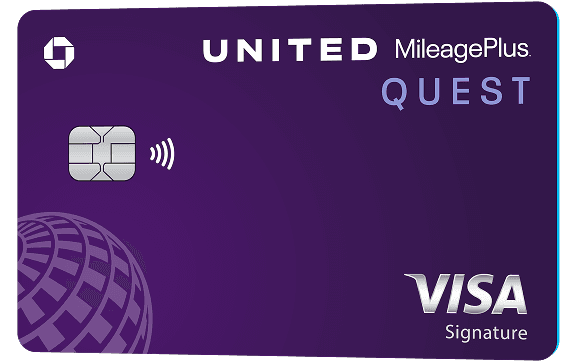
| Annual Fee | $350 |
| Rewards Rate | 1x-10x Miles on purchases |
| Sign Up Bonus | Up to 80,000 miles + 500 PQP |
| Network | Visa |
Resources
What Is An Airline Credit Card?
An airline credit card is a co-branded card offered by a bank in partnership with a specific airline. Instead of earning cash back or generic points, you earn frequent flyer miles directly with that airline's loyalty program on every purchase you make. These cards are designed for travelers who are loyal to one particular airline, helping them accumulate miles faster and unlock valuable travel perks.
The primary appeal of these cards lies in their travel-centric benefits. While the specifics vary from card to card, most offer a suite of perks designed to make your journey more comfortable and affordable.
Common Airline Card Benefits
- Generous Sign-Up Bonuses: Earn a large sum of miles after meeting a minimum spending requirement in the first few months.
- Accelerated Miles Earning: Earn more miles per dollar on purchases made directly with the airline, and typically one mile per dollar on everything else.
- Free Checked Bags: Save money on every flight for you and sometimes for companions on the same reservation.
- Priority Boarding: Get on the plane earlier to secure overhead bin space.
- In-flight Discounts: Receive a percentage off on in-flight food, beverage, and Wi-Fi purchases.
Airline credit cards are best suited for travelers who consistently fly with one airline or its partners. If you live near an airport that is a hub for a specific carrier, a co-branded card can offer immense value. Benefits like free checked bags can easily offset the annual fee after just one or two round trips. However, if you prefer flexibility and want to book flights on various airlines, a general travel rewards card might be a better fit.
Airline Card vs. Travel Card: Which Is Best?
The Frequent Flyer's Dilemma
Choosing a travel rewards credit card can feel overwhelming, but it often boils down to one key question: Are you loyal to a specific airline, or do you prefer the freedom to choose? This is the core difference between co-branded airline credit cards and general travel rewards cards. An airline card ties you to a single carrier's loyalty program, offering specific perks for flying with them. In contrast, a general travel card provides flexible points that can be used across various airlines and hotels, giving you more options.
The Case for Airline-Specific Cards
If you live near an airline's hub and fly with them regularly, a co-branded card can be incredibly valuable. These cards are packed with perks designed to improve your travel experience with that specific airline. Common benefits include:
- Free checked bags for you and your companions
- Priority boarding
- Discounts on in-flight purchases
- Opportunities to earn elite status faster or access to a companion pass
The downside is that your rewards are locked in. If another airline has a cheaper flight or better availability, your miles won't help you.
The Power of Flexibility with General Travel Cards
For travelers who value options above all else, a general travel rewards card is usually the better choice. These cards, often issued by major banks, earn points in a flexible currency. You can then transfer these points to numerous airline and hotel partners, book travel directly through the card's portal, or even redeem them for cash back or statement credits. This flexibility allows you to hunt for the best deals across different carriers and avoid being stuck when your preferred airline has no award seats.
Which Card Is Right for You?
The best card ultimately depends on your travel habits. Consider this simple breakdown to help you decide:
| Feature | Airline Credit Card | General Travel Card |
|---|---|---|
| Best For | Airline loyalists & hub captives | Flexible, brand-agnostic travelers |
| Rewards | Miles with one airline | Flexible points (transferable) |
| Key Perks | Free bags, priority boarding | Travel credits, lounge access |
| Flexibility | Low | High |
If you can maximize the airline-specific perks like free checked bags on multiple trips per year, the co-branded card often comes out on top. Otherwise, the freedom and versatility of a general travel card might be the smarter long-term play.
Are Airline Card Perks Worth the Annual Fee?
Airline credit cards often lure travelers with promises of a more comfortable and affordable journey, boasting perks like free checked bags, priority boarding, and lounge access. But these benefits usually come with an annual fee, leaving many to wonder: are they actually worth the cost? The answer isn't a simple yes or no—it depends entirely on how often you fly and which perks you'll actually use.
For many travelers, the math is surprisingly simple and often centers on one key benefit: the free checked bag. Let's break down the value of the most common perks:
- Free Checked Bags: Most major airlines charge around $30-$40 for the first checked bag each way. For a single round-trip flight, that's a savings of $60-$80. If you travel with a partner, that doubles to $120-$160. A card with a typical ~$95 annual fee can pay for itself with just one trip for two people, or two trips if you fly solo.
- Priority Boarding: While it doesn't have a direct dollar value, this perk ensures you can find overhead bin space, saving you the stress of having to gate-check your carry-on.
- Lounge Access: This is often a feature of premium cards with higher fees, but the value can be immense. A single-day lounge pass can cost $50 or more. Using this perk just a few times a year can easily offset a significant portion of a card's fee.
Putting It All Together
Imagine you have an airline card with a $99 annual fee. If you and a companion take just one round-trip vacation a year and each check a bag, you've saved at least $120 ($30 bag fee x 2 people x 2 ways). In that scenario, you've already come out ahead by $21, not even counting the convenience of priority boarding or any in-flight discounts the card might offer.
Before signing up, do a quick review of your travel habits over the past year. How many times did you fly with that specific airline and check a bag? By adding up what you would have saved with the card's perks and comparing it to the annual fee, you can make a smart, data-driven decision that saves you money on your future travels.
Maximize Miles with Airline Alliances & Partners
Have you ever wondered how to use your credit card points to fly on airlines you don't typically earn miles with? The answer lies in understanding two powerful concepts: airline alliances and transfer partners. Mastering these can unlock incredible travel value, allowing you to book flights all over the world, often for fewer points than you'd expect.
The Three Major Airline Alliances
At a high level, an airline alliance is a partnership between multiple airlines. This allows you to earn miles on one airline and redeem them for flights on any other carrier within the same alliance. This dramatically expands your booking options. The three major global alliances are:
- Star Alliance: Includes airlines like United, Lufthansa, Air Canada, and Singapore Airlines.
- oneworld: Includes American Airlines, British Airways, Cathay Pacific, and Qantas.
- SkyTeam: Includes Delta, Air France, KLM, and Korean Air.
For example, if you have a stash of United MileagePlus miles, you can use them to book an award ticket on its Star Alliance partner, Turkish Airlines.
The Power of Flexible Transfer Partners
This is where your credit card points come in. Major credit card rewards programs like Chase Ultimate Rewards® or American Express Membership Rewards® don't lock you into a single airline. Instead, they feature a list of "transfer partners," allowing you to send your points directly to the loyalty programs of various airlines, often at a 1:1 ratio. This flexibility is key to finding the best deals.
By combining these strategies, you can find amazing value. For instance, instead of booking a flight directly through your credit card portal, you could transfer your points to an airline partner like British Airways (a oneworld member) to book a short-haul flight on its partner, American Airlines, for significantly fewer points. The golden rule is to always confirm award flight availability before you transfer your points, as the process is irreversible.
What Is an Airline Mile Really Worth?
Ever wondered if you're getting a good deal when you cash in your airline miles? You're not alone. The truth is, the value of a mile isn't fixed—it fluctuates based on the airline, the flight you book, and even when you book it. Understanding the average value of a mile for different loyalty programs is the first step to becoming a savvy award traveler and maximizing your rewards.
To help you compare programs, we've analyzed the average cash value you can expect to get from each mile for major airlines. This value, often called 'cents per mile' (CPM), is your key benchmark for spotting a great redemption deal.
Average Airline Mile Values
| Airline Program | Average Value (Cents/Mile) |
|---|---|
| Domestic | |
| American Airlines AAdvantage | 1.5¢ |
| Delta SkyMiles | 1.2¢ |
| United MileagePlus | 1.3¢ |
| Southwest Rapid Rewards | 1.4¢ |
| International | |
| Air Canada Aeroplan | 1.6¢ |
| British Airways Avios | 1.1¢ |
| Emirates Skywards | 1.0¢ |
| Singapore Airlines KrisFlyer | 1.4¢ |
So, how do you put this into practice? It's simple. Before you book an award flight, calculate the CPM you're getting with this formula: (Cash Price of Ticket - Taxes/Fees) / Number of Miles Required. For example, if a flight costs $400 in cash or 25,000 miles + $50 in taxes, the value you're getting is ($400 - $50) / 25,000 = 1.4 cents per mile. If you're using United miles (average value 1.3¢), that's a solid redemption! Using these benchmarks helps you decide whether to pay with cash or miles, ensuring your hard-earned rewards take you further.
Our Methodology
How we pick the best airline credit cards
To determine the best airline credit cards, our team conducts a comprehensive evaluation of each card's features and long-term value for travelers. The most significant weight in our scoring system is placed on the ongoing rewards structure. This includes not only the rate at which you earn miles on airline purchases and everyday spending, but also the value of airline-specific perks like free checked bags, priority boarding, and companion passes. We also give considerable weight to the sign-up bonus, as a strong introductory offer provides immediate value. A card's fee structure, particularly the annual fee, is another key consideration, which we weigh against the tangible benefits offered. Finally, we evaluate secondary factors such as issuer reputation and typical interest rates to complete our analysis.
Our goal is to identify the cards that offer the most compelling combination of rewards, travel perks, and upfront value for loyalists of a specific airline. Our rankings are determined solely by our editorial team. While we may receive compensation from some of the card issuers mentioned, this does not influence our objective evaluations, reviews, or card placements.